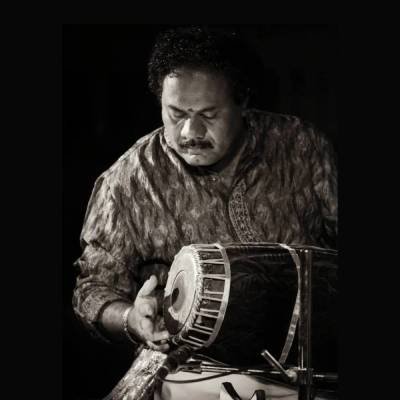
India has always been a land where music breathes through every street, festival, and quiet household corner. From temple rituals to late-night jam sessions, music has shaped how we celebrate, express emotion, and connect with each other. And at the heart of this beautiful tradition are the many Indian musical instruments that have carried our culture forward for centuries.
Whether you’re a beginner just starting lessons or a curious listener who wants to understand Indian music more deeply, getting to know these instruments will open up an entirely new way of hearing and appreciating sound. Think of this blog as your guided tour through the instruments that shaped India’s musical soul.
Let’s dive in.
A Glimpse Into India’s Musical Roots
Before we jump into the instruments themselves, it’s worth understanding what makes Indian music unique in the first place. In India, melody and rhythm aren’t just technical elements, they’re expressions of emotion, storytelling, spirituality, and sometimes, plain joyous energy.
The variety of indian musical instruments reflects that diversity beautifully.
Some are melodic, some rhythmic, some spiritual, and each has a personality of its own.
For students, exploring Indian instruments is not only educational but incredibly grounding. You develop better listening skills, learn to appreciate intricate details, and begin to understand how sound can communicate meaning beyond words.
Ten Indian Instruments Every Music Lover Should Know
These ten instruments represent a blend of classical, folk, and contemporary traditions. You may already know a few, but by the time you finish the list, you’ll appreciate them in a whole new light.
Sitar
If there’s one instrument that has introduced the world to Indian classical music, it’s the sitar. With its long neck and shimmering resonance, the sitar has a way of creating an atmosphere that feels almost meditative.
Students love it because:
- It teaches raga interpretation beautifully
- It improves left-hand dexterity
- It lets you explore expressive slides and microtones
It’s no wonder the sitar became a global icon.
Tabla
The tabla is rhythm come alive. Its crisp tones, deep bass, and endless repertoire of bols make it one of the most fascinating indian musical instruments to learn.
If you’re a student learning rhythm, nothing sharpens timing like the tabla. Even Western musicians benefit from tabla training because it builds strong rhythmic intuition.
Veena
The veena is elegance in the form of an instrument. It’s one of India’s oldest stringed instruments and a symbol of deep artistic tradition, especially in Carnatic music.
Students who pick up the veena often say it teaches them patience, precision, and emotional expression. Each pluck has character.
Mridangam
For Carnatic percussion, the mridangam is king. It has a rich, full-bodied tone and the ability to produce complex rhythmic syllables that can mesmerise listeners.
Student perks:
- Incredible stamina building
- Deep understanding of tala
- Improved hand coordination
It’s the heartbeat of many South Indian performances.
Bansuri (Indian Bamboo Flute)
Few sounds are as calming as a bansuri gently weaving through a melody. This simple bamboo flute is widely used in classical, folk, and even Bollywood music.
Why students love it:
- Great for improving breath control
- Helps develop pitch accuracy
- Ideal for meditative playing
The bansuri teaches you how to express emotion through breath alone.
Sarangi
The sarangi doesn’t just play notes, it sings. Its sound is uncannily close to the human voice, which is why it’s often used to accompany vocalists in Hindustani music.
Learning about the sarangi gives students a deeper appreciation for ornamentation techniques like
meend and gamakas, which are essential for interpreting ragas.
Harmonium
Walk into any Indian music class, and there’s a good chance you’ll spot a harmonium in the room. It’s simple, reliable, and perfect for vocal training.
Students love it because it:
- Makes understanding scales easier
- Provides steady pitch support
- Helps with learning ragas and compositions
No wonder it has become one of the most widely used indian musical instruments in teaching.
Ghatam
At first glance, the ghatam looks like an everyday clay pot. But in the hands of a skilled musician, it becomes a powerful percussion instrument filled with surprising tones.
Students who try the ghatam appreciate how fun and physical it is. The playing techniques are unique, taps, hits, flicks, and even rolling sounds.
Tanpura
The tanpura is not meant to shine in the spotlight, and yet, every classical performance depends on it. Its continuous drone creates the sonic foundation for the raga.
For students, the tanpura is priceless because it sharpens your sense of pitch. You learn how to stay tuned, steady, and aligned with the tonal centre.
Dholak
Vibrant, energetic, and familiar, the dholak is the heart of countless folk traditions across India. It’s simple enough for beginners to start exploring rhythm yet expressive enough for advanced players to shine.
Whether it’s used in devotional music or upbeat film songs, the dholak brings people together with its infectious groove.
What Makes Indian Instruments Truly Special?
Indian instruments are not just tools for making sound, they’re reflections of how Indian culture thinks about music. Some of the things that make indian musical instruments stand out include:
Microtones (Shrutis)
Indian music thrives on subtle pitch variations. This gives ragas their emotional depth and makes melodies feel alive.
Improvisation
Most Indian instruments encourage spontaneous creativity. Whether you’re playing sitar, tabla, violin, or flute, improvisation is part of the journey.
Spiritual Connection
Instruments like the veena, tanpura, and bansuri have historically been connected to meditation, prayer, and divine storytelling.
Handcrafted Artistry
Many instruments are still made by skilled artisans who have inherited the craft generation after generation. The craftsmanship gives each instrument a unique voice.
Why Students Should Explore Indian Musical Instruments
Learning about Indian instruments isn’t just about tradition. It actually benefits students in very practical ways.
Better Rhythm Awareness
Tabla, mridangam, dholak, they all train you to understand rhythm in a deeper, more mathematical way.
Sharper Melodic Understanding
Sitar, veena, bansuri, sarangi, they stretch your ears and help you recognise subtle melodic movements.
More Versatile Musicianship
Fusion, world music, film scoring, all rely heavily on Indian elements today. Knowing these instruments gives you an edge.
Cultural Appreciation
Music students who understand Indian instruments connect more deeply with the cultural stories behind the sound.
Confidence and Stage Presence
Indian classical training teaches discipline and improvisation, two essential performance skills.
How to Begin Exploring Indian Instruments
If you’re new to all this, here are some simple ways to get started:
Follow What Your Heart Responds To
Do you love the meditative sound of the bansuri? Or the energetic pulse of the tabla? Start with the instrument that speaks to you.
Learn From a Knowledgeable Teacher
Indian instruments require proper technique from the beginning. A teacher ensures you build good habits early.
Listen More Than You Play
You can learn so much just by listening to great artists. Attend concerts, explore recordings, and notice how each instrument behaves in different settings.
Understand the Basics of Raga and Tala
Even if you’re not playing a classical instrument, knowing these basics helps you make musical sense of what you hear.
Practice Consistently
Most Indian instruments shine only after consistent, mindful practice. Even short daily sessions can accelerate progress.
The Changing Future of Indian Instruments
One of the most exciting things today is how Indian musical instruments are evolving with modern music. Fusion artists blend sitar with electronic beats, film composers use classical tones to add emotional depth, and online education has made these instruments accessible worldwide.
The younger generation is rediscovering traditional instruments, not as relics, but as powerful tools for creativity. Whether in indie music, global collaborations, or even Instagram reels, these instruments are finding new life.
Conclusion: Let Indian Instruments Shape Your Musical Journey
Indian music is not just something you listen to, it’s something you feel. Every instrument carries stories, emotions, and centuries of heritage within its sound. For students and music lovers, getting to know these Indian musical instruments is more than an educational exercise. It’s an invitation to explore one of the world’s richest musical traditions.
Whether you’re learning to play one of them or simply discovering how they contribute to India’s musical identity, these instruments will deepen your understanding of music itself. They encourage patience, creativity, discipline, and emotional expression, qualities every musician needs.
So start listening, start exploring, and let the sound of Indian instruments become a part of your own musical voice.
Frequently Asked Questions
Q1: Which Indian musical instrument is easiest to learn for beginners?
A: The tabla and harmonium are considered beginner-friendly Indian instruments. Tabla builds rhythmic foundation, while harmonium is great for vocalists. For strings, the sitar has structured beginner tutorials widely available online.
Q2: What are the main categories of Indian musical instruments?
A: Indian instruments are classified into four categories: Chordophones (string instruments like sitar, sarod), Membranophones (drums like tabla, mridangam), Aerophones (wind instruments like bansuri, shehnai), and Idiophones (self-sounding instruments like ghatam, manjira).
Q3: Can I learn Indian classical instruments online?
A: Yes, most Indian classical instruments including tabla, sitar, violin, veena, and harmonium can be learned online. Platforms like Bmusician offer structured online lessons with qualified gurus, making it accessible regardless of your location.
Q4: Which Indian instrument is best for children to start learning?
A: Tabla, harmonium, and flute (bansuri) are excellent starting points for children. They are relatively compact, affordable, and have structured beginner curricula. Violin is also popular in South Indian families for Carnatic music training.
Q5: What is the difference between Hindustani and Carnatic instruments?
A: While some instruments like the violin are shared, Hindustani music features the sitar, sarod, and sarangi, whereas Carnatic music centres on the veena, mridangam, and kanjira. The playing styles, tuning, and repertoire also differ significantly between the two traditions.