Homeschooling offers families unprecedented flexibility in structuring education, and music learning has become an increasingly important component of a well-rounded curriculum. However, many homeschooling parents face a critical question: which instruments work best when learning through online platforms? The answer depends on instrument selection, teaching methodology, and how effectively your learning approach combines technique instruction with consistent practice.
Online music lessons for homeschoolers have revolutionized how students access quality music education. Whether you’re exploring classical traditions, building foundational skills, or preparing for advanced studies, the right instrument paired with structured online instruction can transform your homeschool music program. This guide explores the instruments best suited to online learning and provides actionable strategies for success.
Why Instrument Selection Matters for Online Learning
When learning through screen-based instruction, certain instruments naturally lend themselves to remote teaching. Your choice affects teaching effectiveness, feedback quality, student engagement, and long-term learning outcomes.
Key Considerations for Remote Music Learning
Visual Clarity: The instructor must see hand positioning, posture, and technique clearly. Instruments requiring detailed finger work demand optimal camera angles and lighting.
Feedback Accessibility: Your teacher needs to identify technique errors quickly, misalignment, tension, or timing issues without hands-on adjustment.
Practice Independence: Homeschoolers practice alone between lessons, making self-directed learning essential. Instruments with clear, visual progress markers help students stay motivated.
Student Engagement: Interactive instruction, recorded demonstrations, and structured practice routines keep remote learners invested.
Best Instruments for Online Music Lessons for Homeschoolers
1. Guitar: The Ideal Online Learning Instrument
Why Guitar Works Exceptionally Well Online
Guitar stands out as the premier instrument for online music lessons for homeschoolers. Its visual clarity, affordable accessibility, and adaptability across multiple musical traditions make it ideal for remote learning.
Technical Advantages:
- Hand positioning is clearly visible on camera
- Fretboard provides objective visual feedback
- Both acoustic and electric versions suit various learning goals
- Progress is measurable through repertoire completion and technique milestones
Classical Guitar for Structured Learning
Classical guitar aligns perfectly with BMusician’s structured curriculum approach. Students learn proper posture, finger independence, and technique through etudes and classical pieces. The classical guitar method emphasizing right-hand technique and left-hand positioning translates exceptionally well to video instruction.
Beginner students typically master basic hand positioning within 3-4 weeks of consistent online instruction.
Guitar Across Musical Traditions
Guitar’s versatility extends beyond Western classical:
- Hindustani Classical Guitar: Learn raag-based improvisation adapted for fretted instruments
- Folk and Contemporary: From fingerstyle to singer-songwriter techniques
- Indian Classical Foundations: Many students transition from classical guitar to traditional Indian instruments after establishing foundational theory
Actionable Online Guitar Learning Strategy:
- Establish proper posture before week two of lessons
- Focus on right-hand technique before complex left-hand patterns
- Record daily practice sessions (even 15 minutes) to track progress
- Use structured practice routines that isolate specific techniques
- Progress through graded repertoire that builds incrementally
Learn more through BMusician’s online guitar lessons and technique guides on the blog.
2. Piano: Visual Clarity and Theory Integration
Advantages of Remote Piano Learning
Piano offers exceptional advantages for online instruction. The keyboard layout is identical across all pianos, camera angles easily capture both hands, and finger movement is unmistakably visible.
Why Piano Excels Online:
- Large, clearly visible black and white keys
- Symmetrical hand technique easily captured on camera
- Hand independence develops naturally through visual instruction
- Music theory integrates seamlessly into technique lessons
- Both melody and harmony can be demonstrated simultaneously
Piano for Homeschoolers Exploring Theory
Many homeschooling families use piano as their foundational music theory instrument. Unlike fretted instruments, piano requires no compensation for string tension or action height, making hand positioning standardized and easily corrected online.
Intermediate Online Piano Progress: After 6-8 months of consistent online instruction, intermediate students typically:
- Navigate the keyboard with confidence across multiple octaves
- Read both treble and bass clef simultaneously
- Understand chord construction and harmonic function
- Play graded pieces requiring technical accuracy and musical expression
Explore BMusician’s online paino lessons and courses to see structured piano pathways.
3. Vocal Training: Technique and Expression Through Screen
Remote Vocal Instruction Methodology
Vocal training requires no instrument purchase and works remarkably well online when instructors understand how to observe posture, breathing, and tone quality through video. The challenge isn’t visibility, it’s ensuring accurate sound transmission and giving appropriate feedback.
Advantages of Online Vocal Learning:
- No equipment barriers (just voice and internet)
- Teacher can observe full-body posture and tension patterns
- Breathing technique is visible through shoulder and core engagement
- Both Hindustani and Carnatic vocal traditions adapt successfully to online instruction
Hindustani Classical Vocal Online
Hindustani vocal music, with its emphasis on raga exploration and rhythmic cycles (taals), translates well to structured online lessons. Students benefit from:
- Clear demonstration of swaras (notes) and their relationships
- Video playback of raag interpretations
- Structured practice routines for specific raags
- Direct feedback on intonation and ornamental technique
Vocal Student Success Strategy:
- Invest in basic audio recording equipment (even a smartphone mic improves feedback accuracy)
- Practice in a quiet space with consistent lighting for video instruction
- Record yourself practicing raags or songs for instructor review between lessons
- Focus on one raag deeply rather than learning many superficially
- Study with instructors experienced in your chosen tradition
Discover BMusician’s vocal courses and explore music theory foundations on the blog.
4. Percussion: Building Rhythm Foundation
Why Percussion Works for Online Learners
Percussion instruments develop rhythm foundation, hand coordination, and musicality all visible through online instruction. Students can learn on affordable practice pads before upgrading to traditional instruments.
Instruments Suitable for Remote Learning:
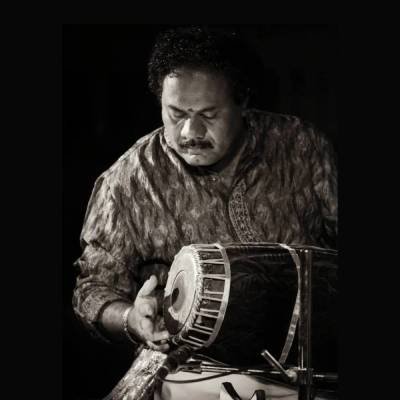
Ghatam (Indian Classical Percussion): Ghatam technique is highly visual. Online instructors can demonstrate hand positions, striking techniques, and tonal variations while students develop understanding of rhythmic cycles (taals).
Morsing (Traditional Rhythm Instrument): The morsing works particularly well for online learning due to clear visual feedback and immediate tonal results.
Western Percussion Foundations: Drums and mallets require space but develop coordination applicable to all percussion traditions.
Percussion in Structured Programs: When paired with theory instruction, percussion becomes a powerful tool for understanding rhythm and metric organization essential across Carnatic, Hindustani, and Western traditions.
5. Violin: Advanced Online Learning Option
Online violin learning presents unique challenges, as correct positioning is subtle, bow technique depends on maintaining precise angles, and sound quality issues during virtual sessions can easily mask underlying technical problems. However, advanced students and those with prior instrument experience can succeed.
When Violin Online Works:
- Students have prior experience with another instrument
- Teaching focuses on specific bow techniques with clear visual feedback
- Regular video recording allows detailed self-assessment
- Instruction emphasizes slow-motion technique analysis
Success Requires:
- Frequent video recording for instructor feedback
- Additional practice time to compensate for less hands-on guidance
- Strong self-awareness and body awareness
- Clear, well-lit practice space
Building Your Online Homeschool Music Curriculum
Step 1: Select Your Primary Instrument
Choose an instrument based on:
- Student interest and motivation (plays the largest role in success)
- Practical considerations (space, budget, noise restrictions)
- Learning goals (music theory foundation, performance skill, cultural exploration)
- Online suitability (guitar, piano, and vocals are most accessible)
Step 2: Choose Your Musical Tradition
Western Classical Music: Highly structured, with clear technique milestones and standardized repertoire progression.
Hindustani Classical Music: Emphasizes improvisation within raag frameworks, rhythmic cycles, and expressive ornamentation. Requires patient, long-term learning but builds deep musical understanding.
Carnatic Classical Music: Similar to Hindustani but with different raag systems, complex rhythmic structures, and distinctive ornamentation styles.
Step 3: Establish Consistent Practice Routines
Effective online music lessons for homeschoolers require structured practice:
- Daily Practice: 20-30 minutes for beginners, 45-60 minutes for intermediate students
- Focused Practice Sessions: Isolate specific techniques rather than passive playing
- Self-Recording: Document progress weekly to identify improvement areas
- Structured Progression: Follow graded exercises before advancing to performance pieces
- Theory Integration: Spend 10-15 minutes daily on music theory relevant to your instrument
Step 4: Track Progress Through Measurable Milestones
Create specific benchmarks tailored to your instrument and learning timeline.
Guitar Progress Markers: In the beginner phase (1-3 months), focus on proper hand positioning and open string technique. By month three to six, students should play simple melodies and basic chord changes. At the intermediate level (6-12 months), expect etudes and fingerstyle technique development.
Piano Development: Keyboard navigation and basic hand position form the foundation in months one through three. By months three to six, students read both clefs and tackle simple pieces. Intermediate students advance to chord progressions and deeper technical refinement around the six-to-twelve-month mark.
Vocal Learning Trajectory: Beginners establish breath control and learn basic swaras in the first three months. Elementary students (three to six months) develop a single raag foundation and understanding of basic concepts. Intermediate vocalists (six to twelve months) improvise within raag frameworks and master ornamental techniques.
Percussion Benchmarks: Hand independence and basic rhythm patterns emerge in the first three months. By six months, students understand rhythmic cycles and basic taals. Intermediate percussion students navigate complex rhythmic patterns and prepare for performance opportunities around twelve months of study.
Overcoming Common Online Music Learning Challenges
Challenge 1: Motivation Without In-Person Community
Solution: Build accountability through:
- Weekly lesson structure with consistent meeting times
- Monthly performance goals (recital prep, recording projects)
- Family listening sessions where you play for family members
- Online communities with other students learning similar instruments
Challenge 2: Technical Issues and Sound Quality
Solution: Optimize your setup:
- Use a secondary device or phone to record audio while using primary computer for video instruction
- Invest in basic acoustic treatment (curtains, rugs) to improve sound clarity
- Test audio levels before lessons begin
- Use headphones to reduce audio feedback and improve hearing accuracy
Challenge 3: Maintaining Focus and Discipline
Solution: Create structure:
- Establish a dedicated practice space
- Set specific daily practice times
- Use practice journals to track what you worked on each day
- Celebrate weekly progress milestones
- Connect practice to larger performance goals
Challenge 4: Limited Hands-On Instrument Adjustments
Solution: Build self-awareness:
- Record practice sessions and review posture frame-by-frame
- Use mirrors to check positioning during practice
- Follow instructor demonstrations carefully before attempting new techniques
- Ask detailed questions about what to feel versus what to hear
- Be patient physical technique develops gradually
Conclusion: Your Homeschooler’s Musical Journey Begins Here
Selecting the right instrument for online music lessons for homeschoolers requires considering your student’s interests, learning style, and musical goals alongside the practical realities of remote instruction. Guitar, piano, and vocals offer the clearest path to success online, while percussion and more advanced instruments remain accessible with commitment and proper structure.
The most successful homeschooling musicians share common traits: consistent daily practice, clear progression through structured curriculum, regular feedback from experienced instructors, and genuine passion for their chosen musical tradition. Whether exploring Western classical technique, Hindustani classical improvisation, or Carnatic musical concepts, online instruction provides the flexibility and quality guidance homeschoolers need.
The combination of quality online instruction, consistent practice, and your family’s commitment creates the ideal environment for meaningful musical growth. Your homeschooler’s musical journey awaits.
Frequently Asked Questions
Q1: At what age can my child start online music lessons?
Children as young as 4-5 can begin piano or guitar with shorter lessons (15-20 minutes). Vocals can begin around age 6-7. Percussion and more complex instruments work best around ages 7-8+. Success depends more on individual maturity and attention span than age.
Q2: How much should I expect my child to practice daily?
Beginner students: 20-30 minutes daily Elementary students (3-6 months in): 30-45 minutes daily Intermediate students: 45-60 minutes daily
Quality matters more than quantity. Focused 20-minute sessions beat distracted hour-long sessions.
Q3: Can my child learn Hindustani classical music online as a homeschooler?
Absolutely. Hindustani classical music adapts well to online instruction. Students learn raags (melodic frameworks), rhythmic cycles (taals), and develop improvisation skills through structured guidance. Many successful musicians have learned primarily through online instruction in this tradition.
Q4: How do I know if my child is making adequate progress?
Progress indicators include: mastering specific technique exercises, playing graded pieces with accuracy, understanding music theory concepts, and demonstrating ability to self-correct. Monthly review sessions with your instructor create clear benchmarks.
Q5: Should my child learn one instrument or multiple instruments simultaneously?
For homeschoolers, focus on one instrument for the first 6-12 months. Building strong foundational technique requires concentrated attention. After establishing confidence, supplementary instruments (like percussion or theory-focused keyboard) can enhance learning.