If you’ve ever closed your eyes during a live performance and felt your heart swell with something ancient yet deeply personal, you’ve tasted Indian classical music. But as a student or first-time listener, you might wonder: why does one style feel like a precise, devotional prayer while the other unfolds like an intimate conversation under the stars?
That’s exactly where the complete difference between Carnatic music and Hindustani music explained begins to reveal its magic.
Both traditions spring from the same Vedic soil melody (raga) meeting rhythm (tala) yet centuries of history, geography, and culture sculpted them into two distinct souls of Indian music. Carnatic music, the southern powerhouse, stays closely tied to temple rituals and structured compositions. Hindustani music, its northern counterpart, carries the perfume of Mughal courts and thrives on spontaneous improvisation.
Understanding the difference between Carnatic music and Hindustani music isn’t just academic; it opens doors to choosing the right path if you’re learning, or simply appreciating concerts with fresh ears. In this guide, we’ll walk through origins, theory, rhythms, instruments, training, and live performance in six clear sections so you leave with a confident grasp. No jargon without explanation, no assumptions about prior knowledge.
Let’s dive in.
1. Tracing the Roots: Historical Origins and Cultural Influences Shaping the Difference Between Carnatic Music and Hindustani Music
The story of the difference between Carnatic music and Hindustani music starts around the 12th -13th century. Before that, Indian classical music was one flowing river, drawing from the Sama Veda’s hymns and Bharata Muni’s Natya Shastra. Then the Delhi Sultanate and later Mughal rule swept across the north, bringing Persian, Afghan, and Turkish flavors. Northern musicians adapted. They softened strict rules, embraced courtly elegance, and let ragas breathe freely in royal mehfil gatherings. That’s how Hindustani music was born more secular at times, romantic in expression, and influenced by languages like Urdu and Braj Bhasha.
Down south, in Tamil Nadu, Karnataka, Andhra Pradesh, and Kerala, things stayed different. The Vijayanagara Empire and the Bhakti movement protected the tradition. Composers like Purandara Dasa (the “father of Carnatic music”) and the Trinity Tyagaraja, Muthuswami Dikshitar, and Syama Sastri poured devotion into every note. Temples became concert halls. Lyrics stayed in Telugu, Tamil, Kannada, and Sanskrit. Even today, the Chennai Music Season feels like a month-long temple festival.
This north-south split explains a core difference between Carnatic music and Hindustani music: one preserved purity through isolation and devotion; the other evolved through cultural mixing and royal patronage. As a beginner, knowing this history helps you feel why Carnatic pieces often sound like heartfelt prayers to deities while Hindustani ones might paint human longing or seasonal moods. It’s not better or worse, just two beautiful answers to the same spiritual question.
2. Building Blocks of Melody: Understanding Ragas and Scales as a Key Difference Between Carnatic Music and Hindustani Music
At the heart of both styles sits the raga, a melodic blueprint that evokes specific emotions and even times of day. But the way ragas are built and used marks one of the clearest differences between Carnatic music and Hindustani music.
Carnatic music ragas, derived from the classical South Indian system of 72 melakarta (parent scales) represent a profound and highly evolved musical vocabulary. Each has seven notes, and from them sprout thousands of janya (child) ragas. The system feels mathematical and precise like a family tree where every branch is mapped. Ragas here demand strict adherence to their scale and characteristic phrases (sanchari). You’ll hear intricate oscillations called gamakas that make notes “dance” rather than glide.
Hindustani music uses just 10 thaats (parent scales) created by Pandit Vishnu Narayan Bhatkhande in the early 20th century. From these come hundreds of ragas, but the approach is looser and more exploratory. The same raga name as Bhairavi might sound recognizably different because the emphasis and ornamentation shift. Hindustani musicians love meend (smooth slides between notes) and spend long stretches exploring one raga’s every shade before moving on.
For students, this means Carnatic practice drills you on exact swara patterns early, while Hindustani training asks you to “live” inside a single raga for months, feeling its mood at dawn or dusk. Both move listeners, but the difference between Carnatic music and Hindustani music here is structure versus freedom. One builds a beautiful house with fixed blueprints; the other paints the same landscape in ever-changing light.
3. The Pulse of the Music: Talas and Rhythmic Structures Highlighting the Difference Between Carnatic Music and Hindustani Music
If raga is the soul, tala is the heartbeat. Yet the way rhythm cycles work forms another striking difference between Carnatic music and Hindustani music.
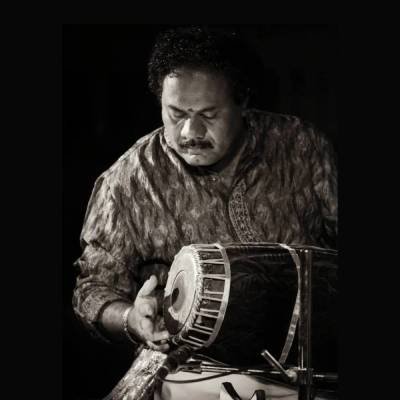
Carnatic music boasts a sophisticated system of sapta talas (seven basic cycles) multiplied by jatis (variations in beat counts). Adi tala (eight beats) is everywhere, but you’ll also meet Misra Chapu or Khanda Chapu with their quirky subdivisions. Percussionists create dazzling korvais and teermanams mathematical endings that feel like fireworks. The mridangam player doesn’t just keep time; they converse with the vocalist in complex calculations that first-timers find mind-blowing.
Hindustani music keeps things more fluid with talas like Teental (16 beats), Ektaal (12), or Jhaptal (10). The focus sits on the sam (first beat) and khali (empty beat) rather than mathematical subdivisions. Tabla players improvise wildly within the cycle, creating tension and release that feels conversational. Many ragas also tie to specific times of day, so the tala supports a meditative, unhurried unfolding.
Beginners often find Carnatic talas easier to count at first because they’re systematic, while Hindustani ones reward patience as the rhythm slowly accelerates. This rhythmic difference between Carnatic music and Hindustani music explains why Carnatic concerts feel energetic and precise, while Hindustani ones build hypnotic waves of tension.
4. Tools of Expression: Instruments, Voices, and Accompaniment in the Difference Between Carnatic Music and Hindustani Music
Pick up an instrument and the difference between Carnatic music and Hindustani music becomes instantly audible.
Carnatic ensembles revolve around the voice. Even instrumentalists mimic vocal inflections. The Saraswati veena plucks devotional melodies, the violin (introduced in the 19th century) shadows the singer with lightning-fast gamakas, and the mridangam provides crisp, mathematical support. Ghatam, kanjira, and morsing add playful percussion. Everything serves the composition and the singer’s devotional expression.
Hindustani music balances voice and instruments more equally. The sitar or sarod takes center stage for long alaps, the tabla dances with intricate bols, and the harmonium or bansuri offers soft support. Vocalists use aakar (open “aa” sounds) and meend glides that feel like sighs. Accompaniment is intimate almost like friends jamming late into the night. Voice production differs too. Carnatic singers often use slight nasal resonance and rapid-fire swaras; Hindustani artists focus on throat resonance and steady, flowing phrases. As a new listener, you’ll notice Carnatic concerts sound brighter and faster overall, while Hindustani ones feel deeper and more expansive. These instrumental choices aren’t random; they echo the cultural difference between Carnatic music and Hindustani music: temple precision versus courtly intimacy.
5. From Guru to Disciple: Learning and Practice Methods Defining the Difference Between Carnatic Music and Hindustani Music
Both traditions follow the sacred guru-shishya parampara, where knowledge passes mouth to-ear in a living relationship. Yet the daily grind reveals yet another difference between Carnatic music and Hindustani music.
Carnatic training feels like a structured syllabus. Beginners start with sarali varisai and janta varisai (basic exercises), move to geethams and varnams (short pieces that teach raga and tala together), then tackle full kritis. Practice is methodical: hours repeating gamakas until every oscillation sits perfectly, followed by swara kalpana (improvised note patterns) and neraval (lyric improvisation within tala). Many modern students combine this with music colleges or online academies that break learning into clear levels. The goal? Mastery of compositions that encode centuries of wisdom.
Hindustani learning feels more intuitive and immersive. Students often stay with one raga for years, internalizing its every mood through endless alaap practice. Gharanas (stylistic schools like Gwalior or Kirana) pass unique techniques father-to-son or guru-to-disciple.
Daily sadhana includes long, slow note-holding, taans (fast runs), and bandish (compositions) learned almost as afterthoughts to melodic exploration. There’s less emphasis on fixed pieces early on and more on feeling the raga’s emotional colour.
For first-time students, Carnatic practice builds confidence quickly through tangible pieces you can perform soon. Hindustani practice demands patience but rewards you with creative freedom later. Both demand discipline early mornings, voice exercises and total surrender to the guru but the difference between Carnatic music and Hindustani music in training shapes two kinds of musicians: one who honors the composer’s genius and one who becomes a co-creator of the raga.
6. On Stage and in Concert: Performance Styles and Improvisation Revealing the Difference Between Carnatic Music and Hindustani Music
Finally, step into a concert hall and the difference between Carnatic music and Hindustani music hits you like a wave.
A typical Carnatic kutcheri lasts two to three hours with a clear roadmap: a brisk varnam warm-up, several kritis (devotional gems), a ragam-tanam-pallavi centerpiece (pure improvisation framed by tala), and lighter pieces like thillanas to end. Improvisation exists alapana, neraval, kalpana swaras but always anchored to the composition. The ensemble (violin, mridangam, and singer) creates a tight, energetic conversation. Audiences clap at perfect korvais and shout “sabash!” when the math lands perfectly.
Hindustani recitals feel more spacious and solo-centric. They often open with a long, meditative alaap (no rhythm yet), then jor and jhala (building speed), followed by a bandish or gat in medium or fast tempo. The artist explores one raga for 45 minutes or more, weaving taans and emotional peaks. The tabla joins later, turning the performance into a thrilling duel. Time-of-day ragas add another layer: imagine hearing a raga meant only for twilight as dusk falls outside.
As a student attending your first shows, you’ll notice Carnatic concerts reward rhythmic brilliance and lyrical devotion; Hindustani ones reward patience and melodic storytelling. Both leave you transformed, but the difference between Carnatic music and Hindustani music in performance style explains why one feels like a grand festival and the other like a private spiritual journey.
Conclusion:
Embracing Both Traditions and Letting the Music Guide You
We’ve covered the complete difference between Carnatic music and Hindustani music from ancient roots to modern concert halls. One tradition offers the joy of precision, devotion and mathematical beauty; the other gifts freedom, introspection, and emotional depth. Neither is superior. Together they form the twin pillars of India’s classical heritage.
If you’re a student, start wherever your heart pulls you.
Try a few online music lessons in both, attend local concerts, and notice what makes you light up. Listen to legends like M.S. Subbulakshmi or Bombay Jayashri for Carnatic warmth, and Ustad Rashid Khan or Pandit Ravi Shankar for Hindustani magic. The more you immerse, the more you’ll realise these aren’t just genres, they’re living philosophies in sound.
So next time you hear a raga that tugs at your soul, remember: you’re touching centuries of history, culture, and human emotion. The difference between Carnatic music and Hindustani music isn’t a wall; it’s an invitation to explore two beautiful paths up the same musical mountain. Pick your trail, practice with love, and let the music carry you home.