For millions of people across the world, Indian music isn’t just something they listen to. It’s something they’ve been living inside since childhood. The morning raga hummed in the kitchen, the Carnatic vocal practice drifting through the house, the Bollywood songs that became the soundtrack to every family gathering. At some point, for many students and serious hobbyists, the question arrives: can this passion actually become a career?
The answer is yes. But it’s a realistic yes. The Indian music industry is vast, genuinely diverse, and evolving faster than most people realise. It spans centuries-old classical traditions, a global film music industry, a growing independent pop scene, folk and devotional music that fills temples and festivals across every state, and a booming online education market that has created career paths that simply didn’t exist a generation ago. Opportunities are real. The challenge is understanding which ones match your skills, your tradition, your timeline, and your willingness to put in the long, disciplined work that musical mastery requires.
This guide maps that journey honestly. It covers what Indian music looks like as an industry today, what different career paths actually demand, the skills every serious musician needs to build, and how to start moving toward a professional life in music. For singers and musicians who want structured, expert-guided training as their foundation, online music courses offer live, one-to-one instruction across Indian classical, film, pop, and folk traditions for all ages and levels.
Understanding the Landscape: What Is Indian Music Today?
Before you map a career path, it helps to understand just how broad Indian music is as a field. It’s not one industry. It’s several, each with its own economics, its own gatekeepers, its own standards, and its own relationship between tradition and commercial opportunity.
Indian Classical Music
The two great streams of Indian classical music are Carnatic (South Indian) and Hindustani (North Indian). Both are built on raga and tala. Both demand years of systematic training under a guru. And both maintain living performance traditions that draw serious audiences in India and internationally.
Carnatic music centres on a highly codified repertoire and a performance tradition that includes vocal concerts, instrumental concerts, and chamber sabha settings. The December Music Season in Chennai is one of the largest classical music festivals in the world. Hindustani music places greater emphasis on improvisation within the raga framework, performed in settings ranging from intimate baithaks to large concert halls across North India and the diaspora.
For students pursuing Indian classical music as a career, BMusician offers structured training in Carnatic singing, Hindustani vocals, and a wide range of classical instruments. Every instructor brings authentic training lineages and real professional performance experience.
Indian Pop Music
The Indian pop music landscape is wide. Bollywood film songs remain the commercial engine of mainstream Indian music. But there’s now a genuinely vibrant independent scene that’s grown rapidly with streaming platforms. Artists across languages, Tamil, Telugu, Punjabi, Bengali, Malayalam, have built significant audiences through YouTube, Spotify, and social media without the traditional Bollywood gateway.
The economics here are complex. Bollywood is a relatively closed industry where connections, playback singer networks, and relationships with film composers determine who gets recording opportunities. The independent scene is more open but demands strong self-promotion skills, consistent content output, and a working understanding of digital distribution. Many successful independent Indian pop artists combine original music with YouTube covers, social content, and live performance revenue across the diaspora.
Traditional Indian Music
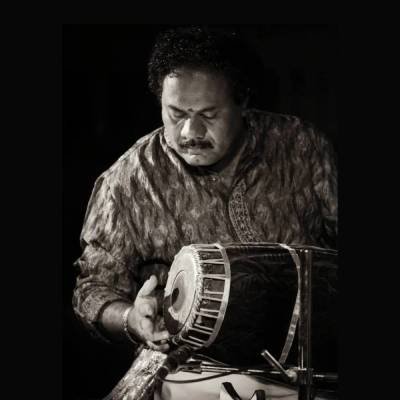
Beyond classical and pop, traditional indian music covers an extraordinary range of folk, devotional, and regional styles. Baul songs of Bengal, Lavani of Maharashtra, Bihu of Assam, Sufi qawwali traditions of the north, Bhajan and Kirtan across devotional contexts, and the ceremonial music of temple traditions all have their own performance contexts, training lineages, and communities of practitioners. The Nadaswaram, one of the loudest non-brass acoustic instruments in the world, fills South Indian temple festivals and wedding processions with its unmistakable sound. Each tradition is its own world.
For musicians rooted in folk and devotional styles, career paths increasingly include traditional performance alongside digital documentation, fusion collaborations, cultural preservation work, and international festival circuits that celebrate world music.
What Does a Career in Indian Music Actually Look Like?
One of the most important conversations any aspiring Indian music professional needs to have is an honest one about what a music career looks like economically. The image of a performing musician is real. But it’s only one model. For most musicians, career sustainability comes from combining several income streams rather than depending on any single one.
Performance
Concert and stage performance is the most visible path in Indian music. For classical musicians, it means building a concert reputation through sabhas, festivals, and institutional invitations. That process takes years of training, active networking within the classical community, and a track record built through smaller performances before reaching major stages. For film and pop musicians, live performance includes touring, shows within the diaspora community across the US, UK, Canada, and the Gulf, as well as corporate and private events that often provide more reliable income than purely artistic work.
Teaching
Music teaching is one of the most stable and immediately accessible career paths for trained Indian musicians. Online learning has transformed it completely. A classically trained vocalist or instrumentalist with strong teaching skills can build a solid student base across the global Indian diaspora through one-to-one lessons, group classes, and institutional partnerships. BMusician’s network of experienced Indian music instructors reflects the scale of that demand. Hundreds of students worldwide connect with gurus in Carnatic music, Hindustani vocal, classical instruments, and film music through structured online sessions every week.
Session and Studio Work
For instrumentalists especially, session work can be a meaningful income stream. Recording for film music productions, jingles, and background scores employs large numbers of musicians in the Mumbai industry. The growing independent production scene creates additional demand for skilled players in Carnatic, Hindustani, and fusion contexts. Building a studio career requires excellent sight-reading or ear-based learning, versatility across styles, consistent reliability, and real connections inside the production community.
Content Creation and Digital Presence
A career path that didn’t exist fifteen years ago has become central to modern Indian music careers. Musicians who build YouTube channels, Instagram reels, and short-form content around their skills and teaching can generate advertising revenue, sponsorship income, and new students for their own teaching practice. It requires consistent output and a genuine understanding of platform dynamics. These are skills distinct from musical performance, but they’re increasingly complementary to it.
The Skills Every Aspiring Indian Music Professional Must Develop
Whichever career path you pursue, certain foundational skills aren’t optional. The musicians who successfully transition from hobby to profession are consistently those who invest in all of these, not just the ones that come naturally.
Deep Mastery of Your Tradition
In Indian classical music particularly, technical depth and breadth of repertoire are the primary currency of professional reputation. Moderate competence doesn’t open doors here. The standard of training among serious classical musicians is extraordinarily high. Years of systematic guru-shishya study, mastery of hundreds of compositions, deep understanding of raga grammar and tala systems, and the ability to improvise authentically within the aesthetic rules of the tradition. The guru-shishya relationship remains the gold standard even as it increasingly takes place through online platforms.
Music Theory and Composition Literacy
Understanding how Indian music is actually constructed gives you the intellectual foundation to grow beyond rote learning into genuine musical understanding. Raga structures, tala cycles, sruti relationships, gamaka techniques, and compositional forms all matter. For musicians working in fusion or film music, a basic working knowledge of Western harmony and notation significantly expands the collaboration and commercial opportunities available to you.
Performance Confidence and Stage Presence
Technical mastery and stage performance are related but genuinely different skills. Many musicians who practise beautifully at home find the psychological demands of performance far harder than the music itself. Sustained concentration, audience responsiveness, managing tempo and dynamics under pressure, recovering from errors without losing composure. Developing performance confidence requires regular experience on stage, starting in low-stakes settings and gradually building toward larger, more formal contexts.
Self-Promotion and Professional Networking
The shift from hobby to career requires a real change in how you relate to your own promotion. Building a professional profile, maintaining an active social presence, reaching out to event organisers, developing relationships with other musicians and industry professionals, and being consistent and reliable in every professional interaction. These skills matter as much to career success as musical ability. Many talented musicians stay amateur because they underinvest in the professional infrastructure around their musicianship.
How to Start the Transition: A Practical Roadmap
If you’re a serious hobbyist wondering how to begin moving toward a professional music career in Indian music, here’s a realistic starting framework:
- Assess your current level honestly. Get an evaluation from a professional musician or teacher outside your immediate circle. Understand where your skills sit relative to the professional standard in your chosen tradition, not relative to other hobbyists.
- Commit to structured training. Hobby-level practice and professional-level practice are fundamentally different things. You need a teacher, a curriculum, and a practice structure that systematically builds professional-grade skills. That typically means daily practice of one to three hours under expert guidance.
- Start performing regularly. Begin with community performances, family events, local sabhas, and cultural association concerts. Every performance, however small, builds stage experience, expands your network, and starts establishing your reputation within your musical community.
- Build your digital presence. Even before you’re professionally active, a YouTube channel or Instagram profile documenting your musical journey builds an audience and demonstrates your commitment and growth over time.
- Develop a secondary income stream. For most musicians, the realistic path to a career in Indian music runs through a transitional period of parallel income through teaching, session work, or digital content while performance and recognition build. Very few musicians can sustain themselves from performance alone in the early years.
- Connect with professional networks. Join your local cultural association, attend concerts and sabhas as an audience member and network actively, reach out to music schools as a potential collaborator, and engage consistently with the Indian music community both locally and online.
The Role of Online Music Education in Building a Career Foundation
The rise of structured online music education has been genuinely transformative for aspiring Indian music professionals, particularly for musicians in the diaspora who previously had limited access to authentic classical training. Platforms like BMusician have made it possible for students in the United States, United Kingdom, Canada, Australia, and across the Gulf to access real guru-shishya style instruction in Indian classical music, film music, and traditional styles without relocating to India.
For students pursuing a serious music career, online training offers more than just convenience. Consistency matters enormously. Being able to maintain regular lesson schedules across time zones is particularly valuable for diaspora students who might otherwise have irregular access to qualified teachers. The ability to record and review lessons deepens learning between sessions. And the breadth of instructor options through online platforms means you can connect with teachers whose specific tradition, repertoire depth, and teaching approach genuinely match your musical goals.
BMusician’s online Carnatic singing lessons, Hindustani vocal classes, film singing courses, and full range of instrumental courses are designed to build the kind of deep, systematic training foundation that professional-level musicianship actually requires. Every instructor brings authentic classical training and real professional performance experience to every session.
Indian Music as a Career Is Possible, If You’re Realistic About the Path
The Indian music world offers more genuine career possibilities than most aspiring musicians realise. Its extraordinary classical traditions, global film music industry, growing independent pop scene, rich folk and devotional heritage, and booming online education market all create real opportunities. But those opportunities demand more than most people are fully prepared for when they first start thinking about the transition from enthusiast to professional.
The musicians who make it aren’t always the most naturally gifted. They’re consistently the most disciplined. They trained seriously under qualified teachers, performed regularly from an early stage, built their professional networks with the same intention they applied to their practice, and were realistic enough to develop sustainable income alongside their artistic ambitions. They understood that traditional Indian music, Indian classical music, and Indian pop music aren’t simply genres to perform. They’re living traditions to serve, communities to contribute to, and crafts worth spending a lifetime deepening.
If that’s the musician you want to be, the path is open. It begins with honest self-assessment, serious structured training, and consistent daily work. For students ready to make that commitment, BMusician’s online music lessons offer the expert guidance, authentic tradition, and structured curriculum that turn genuine potential into professional-grade musicianship, one lesson at a time.
Frequently Asked Questions
Q1. What are the main types of Indian music someone can pursue as a career?
Indian music covers several genuinely distinct career fields. Indian classical music, both Carnatic and Hindustani, builds careers through performance, teaching, and competition and requires deep systematic training. Indian pop and Bollywood film music spans playback singing, independent artist careers, and session musicianship. Traditional Indian music including folk, devotional, and regional styles offers performance and cultural preservation opportunities. And music education has become a major professional pathway, especially through online platforms serving the global Indian diaspora. Most working Indian musicians combine elements of several of these rather than operating in just one.
Q2. How long does it take to reach a professional level in Indian classical music?
Honestly, a long time. A professional level in Indian classical music, the level at which you can perform credibly in concert settings and earn fees for teaching or performance, typically requires eight to twelve years of serious, systematic training under a qualified guru, with daily practice of one to three hours throughout. Both Carnatic and Hindustani traditions have vast repertoires, sophisticated improvisation systems, and high aesthetic standards maintained by knowledgeable audiences. Some musicians with exceptional ability and ideal training conditions get there sooner. But expecting rapid progression is one of the most common causes of discouragement among aspiring classical musicians, and it’s worth being clear-eyed about that from the start.
Q3. Can Indian music be a viable career in the United States?
Yes, and the US is one of the strongest markets for Indian music outside India itself, driven by a large, educated, and musically engaged diaspora community. Career opportunities include teaching (both online and in-person, with strong demand for Carnatic and Hindustani instruction), performance at cultural associations, temples, sabhas, and community events, session and studio work in cities with active South Asian music scenes, and digital content creation targeting the global diaspora. The online education market has particularly expanded possibilities for trained Indian musicians in the US, making it possible to reach students globally without being limited by local geography.
Q4. What’s the difference between Indian classical music and Indian pop music as career paths?
Classical music career paths are built on deep tradition, systematic training, community reputation, and long-term artistic development. Progress is measured by the depth of your repertoire, the authenticity of your tradition, and your standing within the classical community, built gradually over years and decades. Income sources include concert fees, teaching, and institutional support. Indian pop career paths are more commercially driven and require strong vocal or instrumental skills alongside self-promotion ability, understanding of digital platforms, industry connections, and consistent content output. Commercial success can arrive faster but is also less predictable and more dependent on factors beyond musical skill. Many musicians operate successfully in both worlds, using classical training as a technical foundation while building commercial careers in film or independent pop.
Q5. How important is the guru-shishya relationship for a serious Indian music career?
For serious Indian classical music careers, it’s central. The guru-shishya parampara, the direct transmission of musical knowledge from a qualified master to a committed student, remains the foundational training model. The format has evolved significantly with online learning, but the essential relationship hasn’t changed. Sustained, personalised instruction from a teacher who can transmit not just technique but the deeper aesthetic understanding of a tradition is as important as it’s ever been. Musicians who try to build serious classical careers through self-study alone consistently reach a ceiling that self-directed learning can’t take them past. The deep knowledge, performance guidance, repertoire transmission, and community connection that come through a genuine guru-shishya relationship aren’t replaceable.