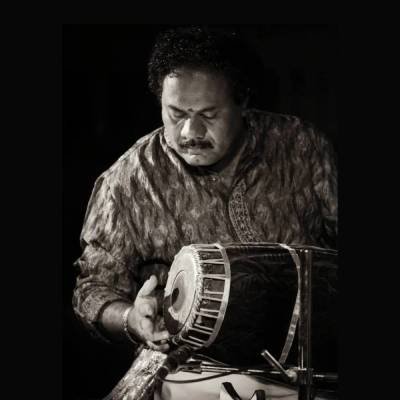
A well-set-up mridangam drum can make the difference between a frustrating practice session and a rewarding musical experience. Whether you’re a beginner just starting your journey or a seasoned performer preparing for a concert, understanding proper setup techniques is essential for achieving optimal sound quality and playing comfort.
Many students underestimate the importance of setup, focusing primarily on learning rhythmic patterns. However, even the most skilled player cannot produce beautiful music on a poorly prepared instrument. Whether you’re taking mridangam lessons online or learning from a guru in person, mastering setup fundamentals will accelerate your progress and protect your instrument for years to come.
Understanding Your Mridangam Drum Components
Before diving into setup techniques, familiarise yourself with the key components of the mridangam Indian drum.
The valanthalai is the right-side drumhead, smaller in diameter and producing higher-pitched tones. It features a permanent black paste called soru at its centre, which gives the mridangam its distinctive metallic ring. The thoppi is the left-side head, larger and responsible for the bass tones. Unlike the valanthalai, the thoppi requires temporary wheat paste applied before each playing session.
The kudam is the wooden shell connecting both heads, traditionally carved from jackfruit wood for its resonant properties. Finally, the varavu refers to the leather straps running along the shell’s length, which control tension and enable tuning adjustments.
Understanding how these components interact helps you troubleshoot sound issues and maintain your instrument effectively. Each element plays a crucial role in the overall tonal quality of your mridangam drum.
Choosing the Right Surface and Positioning
The surface beneath your mridangam significantly impacts its resonance and stability. A folded cotton blanket or soft mat provides the ideal foundation, cushioning the instrument while allowing sound waves to project freely. Avoid placing your drum directly on hard floors, tiles, or wooden surfaces, as these dampen vibrations and cause the instrument to slide during vigorous playing.
Dedicated mridangam stands offer excellent stability and consistent positioning, particularly useful during performances. If using a stand, ensure it holds the drum securely without restricting the natural vibration of the shell.
Position the drum horizontally with a slight tilt toward your body. This angle allows comfortable access to both playing surfaces while maintaining proper wrist alignment. The valanthalai should face your dominant hand, typically the right side for most players.
Proper Seating and Posture
Correct posture prevents fatigue and injury while enabling fluid technique development. The traditional approach involves sitting cross-legged on the floor with the mridangam resting on your right ankle and left calf. This position brings the drum to a natural playing height and keeps it stable during complex patterns.
If floor seating is uncomfortable, a low cushion or meditation pillow can provide additional support. Some players, particularly those with physical limitations, use chairs with the drum placed on a stand at an appropriate height.
Regardless of your seating choice, maintain a straight back and relaxed shoulders. Your wrists should remain neutral, avoiding excessive bending that leads to strain during extended sessions. Keep your elbows slightly away from your body to allow free arm movement across both drumheads.
Instructors teaching online mridangam classes often dedicate significant time to posture correction because habits formed early become difficult to change later. Pay attention to your body positioning from the very beginning.
Tuning Your Mridangam Drum
Tuning is perhaps the most critical aspect of mridangam setup and requires patience to master.
Tuning the Valanthalai (Right Head)
Begin by checking strap tension around the valanthalai. Each strap should have relatively even tension to produce consistent pitch across the drumhead. Use a tuning stone or wooden block to gently tap individual straps, tightening or loosening as needed.
The standard pitch for adult players typically falls around C# or D, though this varies based on personal preference and the specific instrument. Strike the edge of the drumhead at various points, listening for uniform tone. If certain areas sound higher or lower, adjust the corresponding straps until you achieve consistency.
Test the centre soru by playing standard syllables. A well-tuned valanthalai produces a clear, ringing tone with pleasant overtones rather than a dull thud.
Preparing the Thoppi (Left Head)
The thoppi requires fresh wheat paste (ravai) before each session. Mix fine semolina with water to create a smooth, pliable consistency, neither too wet nor too dry. Apply a small ball of paste to the centre of the drumhead, spreading it evenly with your palm.
The size and placement of the paste directly affect bass tone. A larger paste application produces a deeper, more muted sound, while smaller amounts yield brighter bass tones. Experiment to find the balance that suits your playing style and musical context.
Quick Tuning Checks
Before playing, perform a quick tap test around both heads. Listen for buzzing, which may indicate loose straps or debris on the drumhead. Dead spots suggest uneven tension requiring adjustment.
Consider environmental factors as well. Humidity and temperature changes affect skin tension, so drums may require retuning when moved between air-conditioned rooms and outdoor venues.
Setup Tips for Students vs. Performers
For Students
Beginners should start with an appropriately sized mridangam Indian drum. Younger students or those with smaller hands benefit from instruments with reduced shell diameter, making technique development more comfortable.
Avoid the temptation to over-tighten straps in pursuit of higher pitch. Excessive tension strains the drumheads and makes playing unnecessarily difficult. Focus instead on producing clean, controlled sounds at moderate tension.
Incorporate setup into your daily practice routine. The few minutes spent tuning and positioning reinforce your understanding of the instrument and ensure consistent practice conditions.
For Performers
Experienced players performing publicly should arrive early to allow their mridangam drum to acclimate to venue conditions. Temperature and humidity differences between your practice space and the performance hall can significantly affect tuning stability.
Always carry backup wheat paste, a tuning stone, and basic tools for emergency adjustments. During longer concerts, you may need to refresh the thoppi paste between pieces.
Consider microphone placement if performing in amplified settings. Position mics to capture both heads naturally without requiring dramatic volume differences. Discuss placement with sound engineers during rehearsals whenever possible.
Basic Maintenance for Better Setup
Proper maintenance ensures your mridangam remains easy to set up and sounds its best over time.
Store your instrument in a padded case when not in use, protecting it from dust, humidity fluctuations, and accidental damage. Keep it away from direct sunlight and extreme temperatures, which can crack the wooden shell or damage the drumheads.
Slightly loosen the straps between practice sessions to reduce constant tension on the heads. This simple habit extends the life of both the skins and the leather straps themselves.
After each session, wipe the playing surfaces gently with a dry cloth to remove oils and moisture from your hands. Periodically inspect the straps for signs of wear, cracking, or stretching that might affect tuning stability.
Conclusion
Mastering mridangam drum setup is a gradual process that develops alongside your playing technique. The time invested in understanding tuning, positioning, and maintenance pays dividends through improved sound quality, greater comfort, and a deeper connection with your instrument.
Be patient with yourself as you learn these skills. Even experienced players continually refine their setup approach based on different venues, musical contexts, and personal preferences.
Ready to deepen your mridangam journey with expert guidance? Explore online music lessons and dedicated mridangam training at BMusician, where you’ll receive structured instruction in instrument setup, playing techniques, and traditional repertoire—all from the comfort of your home.
Frequently Asked Questions
What surface is best for playing the mridangam Indian drum?
A folded cotton blanket or a soft mat works best as it provides stability while allowing the drum to resonate freely. Avoid hard floors or tables, which dampen the sound and can cause the drum to slide. Dedicated mridangam stands are also excellent for consistent positioning during practice and performance.
How often should I apply paste to the thoppi (left head)?
For regular practice sessions, applying fresh wheat paste once at the start is usually sufficient. During longer performances or concerts, you may need to reapply every 30–45 minutes as the paste dries and loses its dampening effect. The frequency also depends on humidity levels in your environment.
Can I learn proper mridangam setup through online classes?
Yes, online mridangam classes are highly effective for learning setup techniques. Video lessons allow you to watch demonstrations closely, pause for practice, and replay sections as needed. Many students find that structured online music lessons provide clear visual guidance for tuning, posture, and positioning that they can reference repeatedly.
What is the correct posture for playing mridangam?
The traditional posture involves sitting cross-legged on the floor with the drum resting horizontally on your right ankle and left calf. The drum should tilt slightly toward you. Keep your back straight, shoulders relaxed, and wrists in a neutral position to avoid strain during extended playing sessions.
How do I maintain my mridangam drum between practice sessions?
Store your mridangam in a padded case away from direct sunlight and extreme temperatures. Slightly loosen the straps when not playing to reduce constant tension on the heads. Wipe the playing surfaces gently with a dry cloth after each session to remove oils and moisture. Inspect the leather straps periodically for signs of wear or cracking.