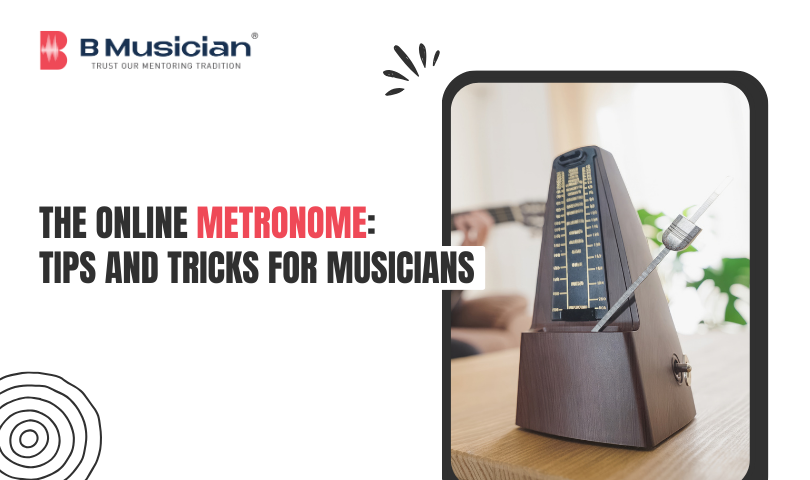
A free online metronome is one of the most valuable tools in any musician’s practice arsenal. Whether you’re a guitarist working on chord transitions, a pianist perfecting scales, or a drummer developing precision, consistent timing separates good musicians from great ones. The metronome once a mechanical device ticking away on piano tops has evolved into accessible digital tools available instantly through your browser.
This guide explores how to maximize your practice sessions using a free online metronome, from basic tempo training to advanced techniques that professional musicians swear by. Master these tips and tricks to transform your rhythmic abilities and elevate your overall musicianship.
What Is a Metronome and Why Does It Matter?
A metronome produces steady audible clicks at a specific tempo measured in beats per minute (BPM). This consistent pulse helps musicians maintain accurate timing while practicing. Using a BPM metronome online free eliminates the need for expensive hardware—simply open your browser and start practicing.
Many musicians underestimate rhythm’s importance, focusing instead on notes and technique. However, even the most impressive musical passages sound amateur without solid timing. Professional musicians understand that the metronome isn’t just a practice tool, it’s a diagnostic instrument that reveals timing weaknesses and tracks improvement over time.
Understanding BPM and Tempo Markings
BPM stands for beats per minute and indicates how fast or slow music moves. A tempo of 60 BPM means one beat per second, while 120 BPM doubles that speed to two beats per second. Understanding these numbers helps you set appropriate practice tempos using any BPM metronome online free.
Common tempo ranges include Largo (40-60 BPM) for very slow passages, Andante (76-108 BPM) for walking pace, Allegro (120-156 BPM) for fast and lively music, and Presto (168-200 BPM) for very fast pieces. When learning new material, always start slower than the target tempo. Accuracy matters more than speed during initial practice.
Getting Started with a Free Online Metronome
The best metronome online free offers simple controls that don’t interrupt your practice flow. Look for tools with easy tempo adjustment, time signature options, and clear audio that cuts through your instrument’s sound.
Begin by setting a comfortable tempo—typically between 60-80 BPM for beginners. Play simple exercises or scales while matching each note to the click. Focus on placing your notes precisely on the beat, not slightly before or after. This foundational work develops the internal pulse that defines musicians with excellent timing.
Essential Practice Techniques with Your Metronome
Start Slow, Build Gradually
The most effective metronome practice starts at half your target tempo. If a piece should be played at 120 BPM, begin practicing at 60 BPM. Only increase tempo when you can play the passage perfectly at the current speed. Jumping ahead creates sloppy habits that become harder to fix later.
Use Subdivisions for Complex Rhythms
Subdivisions break beats into smaller units eighth notes, sixteenth notes, or triplets. When using a free online metronome with subdivision features, you hear additional clicks between main beats. This technique helps master complex rhythms and maintains steadiness during slower tempos where beats feel far apart.
Practice the Gap Method
Advanced musicians use the gap method: set your metronome to play several bars, then mute for one bar while you maintain the tempo internally. This develops your internal clock. Start with three bars on, one bar off, then progress to longer silent sections as your timing improves.
Common Metronome Mistakes to Avoid
Many musicians make the metronome their enemy rather than their ally. Avoid these common pitfalls to get maximum benefit from your practice sessions.
Practicing too fast too soon undermines progress. Your fingers need time to develop muscle memory at slower tempos before speed increases. Similarly, ignoring the metronome during difficult passages exactly when you need it most allows timing problems to become ingrained. Finally, using the metronome only occasionally provides inconsistent results. Regular, focused practice with your free online metronome produces the best improvements.
Advanced Tips from Professional Musicians
Professional musicians use metronomes in creative ways beyond basic tempo keeping. Try setting the click on beats two and four instead of one and three—this develops the backbeat feel essential for jazz, funk, and rock music.
Use the tap tempo feature to determine unknown song tempos. Tap along with a recording, and the best metronome online free will calculate the BPM for you. This helps when learning songs by ear or matching tempos with other musicians. Recording yourself while playing with a metronome reveals timing inconsistencies you might miss in the moment.
Metronome Practice for Different Instruments
Each instrument benefits from metronome practice in unique ways. Guitarists should practice chord changes and strumming patterns with a free online metronome to develop smooth transitions. Pianists benefit from hands-separate practice at slow tempos before combining hands. Drummers use metronomes to develop rock-solid timekeeping that anchors entire bands.
Vocalists often overlook metronome practice, but singing with consistent timing dramatically improves phrasing and breath control. Wind and string players use metronomes to even out scales, arpeggios, and technical passages that tend to rush or drag.
Features to Look for in Online Metronomes
When choosing a BPM metronome online free, prioritize accuracy and ease of use. Essential features include adjustable tempo range (at least 40-200 BPM), multiple time signatures, volume control, and accent options that emphasize the first beat of each measure.
Advanced features like subdivision settings, tap tempo, and visual beat indicators enhance practice effectiveness. The best metronome online free works across devices like desktop, tablet, and mobile so you can practice anywhere without downloading apps.
Start Improving Your Timing Today
Consistent metronome practice transforms musical timing from a weakness into a strength. The techniques in this guide are starting slow, using subdivisions, and practicing the gap method—work for musicians at every level.
Begin your journey to better rhythm with BMusician’s free online metronome. Simple, accurate, and accessible from any device, it’s the perfect companion for focused practice sessions that build lasting musical skills.
Frequently Asked Questions
What BPM should beginners start practicing at?
Beginners should start between 60-80 BPM for most exercises. This tempo allows focus on accuracy without rushing. Increase speed only when you can play perfectly at the current tempo.
How often should I practice with a metronome?
Incorporate metronome practice into every session, even if just for ten to fifteen minutes. Consistent daily use develops stronger internal timing than occasional lengthy sessions.
Can I use a free online metronome for recording?
Yes, many musicians use a free online metronome as a click track during home recording. Route the audio through headphones so the click doesn’t bleed into your recording.
Why do I speed up during difficult passages?
Rushing through difficult sections is a common habit that develops from anxiety or insufficient practice at slower tempos. Use your metronome to identify problem spots and practice them slowly until they feel as natural as easier passages.