Learning hindustani music lessons online has never been more accessible. Whether you’re a curious teenager, a parent seeking quality music education for your child, or an adult hobby musician exploring Indian classical traditions, structured online music lessons can provide the guidance and framework you need to begin your musical journey.
Hindustani classical music represents one of the world’s most sophisticated musical traditions, developed over centuries in North India. Unlike Western classical music with its fixed notation, Hindustani music emphasizes improvisation, emotional expression, and deep technical mastery. The good news? You don’t need to be in a major Indian city or travel internationally to study with experienced instructors. Quality hindustani classical music lessons online bring world-class training directly to your home.
This guide walks you through everything you need to know to start your Hindustani music journey with confidence, including how to choose the right instrument, understand the foundational concepts, and establish a sustainable practice routine that leads to real progress.
Why Learn Hindustani Music Online?
Starting your Hindustani musical education through online music classes offers several distinct advantages:
Flexibility and Accessibility: Online lessons accommodate busy schedules. Whether you’re a student juggling academics, a working professional, or a parent managing family commitments, you can schedule lessons at times that work for you.
Access to Master Instructors: Geographic boundaries no longer limit your learning. A student in California can study with a tabla master trained in Banaras or learn sitar from a lineage student in Mumbai.
Structured Learning Pathways: Reputable online music lessons platforms provide organized curricula that introduce concepts progressively—from basic rhythm and pitch recognition to advanced raag interpretation and compositional techniques.
Personalized Instruction Quality: Online platforms connect you with highly qualified instructors without geographic limitations, allowing you to study with masters from various lineages and traditions regardless of location.
Community Connection: Many platforms create virtual communities where students connect, share progress, and participate in group performances.
Understanding Hindustani Music Fundamentals
Before signing up for hindustani music lessons online, familiarize yourself with these core concepts:
The Raga System
A raga is the foundational organizational structure in Hindustani music. Think of it as a melodic framework that combines specific notes, ascending/descending patterns, and emotional characteristics. Unlike Western scales that treat all notes equally, ragas assign specific functions and moods to each note.
For beginners, learning ragas like Bhairav (meditative, morning raga) or Yaman (evening raga with a joyful character) provides excellent starting points.
Tala: The Rhythmic Foundation
Tala is the rhythmic cycle that structures Hindustani compositions. The most common tala for beginners is Teental, a 16-beat cycle. Understanding tala develops your internal sense of rhythm and helps you understand how melody and rhythm interact—a fundamental principle distinguishing classical Indian music from casual performances.
Sargam: The Solfa System
Sargam represents the seven notes in Hindustani music: Sa, Re, Ga, Ma, Pa, Dha, Ni, Sa. This solfa system helps you learn melodic patterns and is universally understood across Indian classical traditions.
Choosing Your Instrument
Hindustani music welcomes diverse instrumental and vocal traditions. Your choice depends on personal preference, physical ability, and learning goals:
Voice (Hindustani Vocal)
Perfect for complete beginners, vocal training develops your ear and understanding of ragas without requiring instrument investment. Many students start with vocal training before specializing in an instrument.
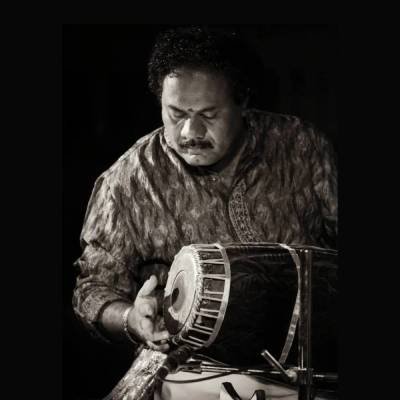
Tabla
This hand drum develops extraordinary rhythmic sophistication and hand dexterity. Tabla is often learned alongside melodic instruments and complements vocal training beautifully.
To get started with expert guidance and structured training, explore our online tabla classes for all skill levels.
Bansuri (Bamboo Flute)
More accessible than sitar for beginners, the bansuri requires good breath control and offers beautiful tonal qualities.
Preparing for Your First Hindustani Music Lesson
Setting Up Your Learning Environment
Create a dedicated, quiet space for practice and lessons. Unlike casual music listening, studying Hindustani music requires concentration. Minimize background noise, ensure good lighting, and position yourself comfortably you may spend extended periods in the same position.
If taking online music classes via video, ensure your internet connection is stable and your camera captures you clearly so your instructor can observe your posture and technique.
Investing in the Right Equipment
Audio Setup: Use quality headphones or speakers. Hindustani music contains subtle microtonal variations that poor audio equipment will miss. A basic USB microphone dramatically improves your instructor’s ability to hear your tone quality and provide detailed feedback.
Instrument Selection: If learning voice, no instrument is needed initially. For other instruments, research beginner models with your instructor’s quality matters significantly in instrument tone, which affects your ear development. Most instructors can recommend reliable beginner instruments appropriate to your learning level.
Learning Platform: Choose platforms offering live interactive hindustani classical music lessons online rather than pre-recorded content. Real-time interaction with your instructor accelerates learning through immediate feedback on technique, intonation, and interpretation.
The First Week: Establishing Foundations
Your initial online music lessons should focus on three core areas:
1. Assessing Your Musical Background
Your instructor will evaluate whether you have prior music training, your listening familiarity with Hindustani music, and your learning goals. Beginners with some Western music background may have advantages in reading notation but must unlearn some assumptions about scales and rhythm. Hindustani music operates on different principles.
2. Understanding Proper Technique
From lesson one, learn correct posture, breathing, and hand positioning specific to your instrument. In Hindustani music, technique is inseparable from musicality. Poor technique limits expressiveness and causes injury over time. Instructors emphasize this early because correcting established habits proves much harder than learning correctly from the beginning.
3. Introducing the First Raga
Most teachers introduce a simple raga like Bhairav or Yaman, teaching you the ascending and descending note sequences (aaroh-avaroh). You’ll learn how these notes function musically through simple practice patterns called “Alankars”—melodic exercises that prepare your voice or fingers for raag exploration.
Building Your Practice Routine
Consistency outweighs duration in music learning. A 30-minute daily practice session produces better results than a 3-hour weekend session because your nervous system needs frequent reinforcement to develop muscle memory and internalize melodic patterns.
Daily Practice Structure
Warm-up (5-7 minutes): Breathing exercises (pranayama for vocalists) or instrument-specific warm-ups that prepare your body without stressing technique.
Technical Work (15-20 minutes): Practice the specific Alankars and raag patterns your instructor assigned. This builds the technical foundation supporting musical expression.
Raga Exploration (5-10 minutes): Apply your technical work to actual raag performance. Start slowly, focusing on correct note sequences and emotional character before worrying about speed or elaboration.
Listening (10-15 minutes): Listen to recordings of the raag you’re learning, performed by different artists. This trains your ear and deepens your intuitive understanding of the raag’s possibilities.
Tracking Progress
Keep a practice journal noting which concepts you studied, specific challenges that emerged, and questions for your next lesson. Many online music classes platforms provide progress tracking tools. Seeing visual progress sustains motivation through plateaus.
Intermediate Challenges and Solutions
As you progress beyond beginner fundamentals, you’ll encounter deeper challenges:
Challenge: Connecting Notes Smoothly Early students often play notes as separate entities rather than as a flowing melodic line.
Solution: Slow practice with focus on the transitions between notes, using your voice to “sing” the passage before playing it on your instrument.
Challenge: Maintaining Consistent Tala Keeping steady rhythm while focusing on melodic expression requires simultaneous attention to multiple systems.
Solution: Practice with a tala accompaniment (available through practice apps or your instructor). Start slowly, building speed gradually only after rhythm feels automatic.
Challenge: Achieving Raag Authenticity Different raags demand different emotional approaches and note emphasis patterns. A raga taught one way in one tradition might be performed slightly differently in another lineage.
Solution: Study multiple recorded performances of your raga, noting variations. Discuss these differences with your instructor to understand the underlying principles rather than memorizing a single version.
Challenge: Developing Expressive Improvisation The ultimate goal of Hindustani training is improvisatory performance creating new expressions within the raag structure. Moving from learned patterns to genuine improvisation requires deep internalization.
Solution: Gradually reduce reliance on memorized phrases, instead improvising around key notes and exploring how different musical figures create emotional impact.
Resources Beyond Your Instructor
While personalized instruction forms the foundation of quality learning, supplementary resources accelerate progress:
Music Theory Foundations: Explore BMusician’s music theory posts on the blog to understand concepts like intervals, scales, and rhythmic structures. This theoretical knowledge contextualizes what you’re learning practically.
Technique Guides: Study instrument-specific tutorials for your particular voice or instrument. While your lessons provide personalized guidance, watching multiple instructors demonstrate techniques offers a broader perspective on common approaches.
Comparative Learning: BMusician’s content covers both Carnatic and Hindustani traditions, plus Western classical music. Understanding how different classical traditions approach similar musical challenges enriches your learning. For instance, understanding Western classical phrasing principles can inform your approach to raag interpretation.
Choosing the Right Online Platform
Not all online music lessons are created equal. Evaluate potential platforms on these criteria:
Instructor Qualifications: Look for instructors with formal training in their tradition, ideally with lineage connections (parampara) demonstrating deep study with accomplished masters.
Curriculum Structure: Quality platforms provide progressive curricula, not random lessons. You should understand how your current lesson connects to previous learning and future goals.
Interactive Feedback: Pre-recorded lessons have severe limitations in music education. Real-time instruction allows your teacher to hear your mistakes, correct posture issues, and adjust pacing to your learning speed.
Community Features: Platforms offering group performances, student showcases, or peer learning opportunities provide motivation and accountability.
Flexibility: Your platform should offer make-up lessons and schedule adjustments for life’s inevitable disruptions.
Conclusion: Your Hindustani Music Journey Begins Now
Starting hindustani music lessons online as a complete beginner represents an exciting commitment to exploring one of humanity’s most sophisticated musical traditions. The accessibility of quality instruction through online music classes means geographic location no longer determines your teacher quality or learning opportunities.
Success in learning hindustani classical music lessons online requires three essential elements working together: skilled instruction that understands your learning level, consistent daily practice applying what you’ve learned, and engagement with the broader musical community and resources available to you.
The journey into Hindustani classical music transforms more than your musical ability, it develops listening depth, emotional expression, and discipline that enrich your entire life. Your first hindustani music lessons online are the beginning of a lifelong musical partnership with yourself, your instructor, and a centuries-old tradition.
Begin today, practice consistently, and trust the proven methodology that’s developed master musicians across generations.
Frequently Asked Questions
Q: Do I need prior music knowledge to start hindustani classical music lessons online?
A: No. Many successful students start with zero musical background. Your instructor will adapt teaching to your starting point. However, any previous music experience—even casual guitar playing or singing—helps accelerate initial progress because you understand basic concepts like pitch and rhythm.
Q: How long before I can play recognizable raags?
A: With consistent 30-minute daily practice and weekly professional instruction, most students play simple raags recognizably within 2-3 months. However, reaching artistic proficiency takes years of dedicated study. Hindustani music rewards patience.
Q: Can I learn Hindustani music if I’m an older adult beginner?
A: Absolutely. While younger students may develop physical facility faster, adults bring advantages like discipline, focused practice, and appreciation for the music’s depth. Many accomplished adult-onset learners credit their maturity for deeper musical understanding.
Q: Should I learn Hindustani vocal or choose an instrument?
A: This depends on your preferences and constraints. Vocal training is more accessible for absolute beginners since no equipment is needed. However, if you’re passionate about a specific instrument, start there. You can always explore vocal training later—most instrumental teachers recommend supplementary vocal study because it develops your inner ear.
Q: What’s the difference between Hindustani and Carnatic music online lessons?
A: Both are Indian classical traditions with shared roots but distinct characteristics. Hindustani (North Indian) music emphasizes improvisation and flexible phrasing. Carnatic (South Indian) music features complex rhythmic patterns and compositional structures. Choose based on which musical character appeals to you. Many students study both traditions for comprehensive classical understanding.