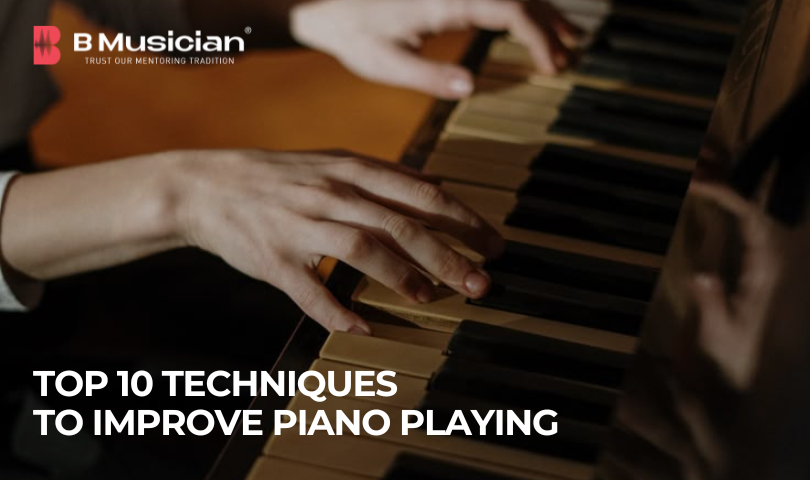
There’s something almost magical about sitting at a piano. Even before a single note is played, the instrument speaks—quietly, but confidently—through its polished body, its elegant black and white keys, its history, its weight, its promise. Anyone who has ever placed their fingers on its keys knows the mix of excitement, fear, curiosity, and wonder that comes with learning to play it.
If you’re reading this, chances are you’ve already fallen in love with that feeling—or you’re about to. And trust me, the journey only gets better. In this deep-dive blog, we’ll explore not just how to improve your piano playing, but also where the piano came from, why different teaching methods matter, famous teachers who shaped modern technique, and how the instrument can transform you personally.
So, pull up a chair. Let’s begin.
A Brief Origin of the Piano: Where It All Started
The piano didn’t simply appear one day as the suave, sophisticated instrument we know today. Its roots trace back to earlier keyboard instruments like the harpsichord and clavichord—beautiful in their own ways but limited in expressive range.
In the early 1700s, Italian instrument maker Bartolomeo Cristofori decided the world needed something capable of both soft and loud dynamics, emotional shading, and nuanced control. And thus, the pianoforte was born.
As centuries passed, the instrument evolved—strings strengthened, frames grew sturdier, keys became more responsive, and the sound deepened. The modern piano, with its 88 keys, is essentially a full orchestra waiting at your fingertips. No wonder playing it has become one of the most beloved musical pursuits worldwide.
Whether it’s a glossy grand piano on a stage or a digital keyboard in your living room, the spirit of Cristofori’s innovation still sings through every note.
Different Kinds of Pianos: Finding What Fits You Best
Understanding the types of pianos helps you choose an instrument that supports your growth.
- Grand Pianos
With long strings and horizontal frames, grand pianos offer rich tone and precision—ideal for expressive playing.
- Upright Pianos
Compact yet powerful, uprights are perfect for home practice and beginners.
- Digital Pianos
Digital models offer weighted keys, high-quality sound sampling, headphone options, and portability, making them practical for learners.
Many learners also benefit from practicing on a virtual piano, especially when exploring techniques or reviewing exercises without access to a full instrument.
- Hybrid Pianos
A blend of acoustic feel and digital flexibility, these provide a modern playing experience with true hammer action.
Whatever you choose, remember—progress depends on how consistently you practice, not on the price tag of the instrument.
Different Disciplines and Methods of Learning
Just like languages, piano can be learned in many ways. Each method highlights a different philosophy.
- Classical Method
Emphasizes reading notation, structured technique, and foundational repertoire. It’s the backbone of traditional training.
- Suzuki Method
Developed by Shinichi Suzuki, this approach teaches students to learn by ear first, just as children learn to speak.
- Alfred Method
Known for its systematic and friendly approach, this method blends technique, theory, and songs gradually.
- Jazz & Improvisation
Built on chords, groove, and creativity—perfect for learners who enjoy freedom and interpretation.
- Contemporary Pop Methods
Focuses on chord charts, patterns, and rhythm, allowing students to play modern songs quickly. Most pianists eventually blend more than one discipline, finding a personal path.
Famous Teachers Who Shaped the Art of Playing
Some teachers didn’t just instruct—they reinvented how pianists learn.
- Franz Liszt
A legendary virtuoso whose emphasis on expression and technique set the standard for modern piano mastery.
- Heinrich Neuhaus
His influential book The Art of Piano Playing highlights tone, touch, and artistic intention. 3. Dorothy Taubman
Famous for developing an ergonomic, injury-free technique grounded in biomechanics.
- Shinichi Suzuki
Believed talent is nurtured, not inherited—an idea that transformed early childhood music education.
- Alfred & Morton Manus
Creators of the Alfred books that made structured learning approachable for millions. These pioneers remind us that technique alone doesn’t define a pianist—philosophy matters too.
Top 10 Techniques to Improve Your Piano Playing
Here are the habits that truly move your skill forward. Think of them as your personal toolkit.
- Practice Slowly
Fast playing grows out of slow, intentional practice. Going slowly ensures clarity, accuracy, and clean muscle memory.
- Use a Metronome
A metronome keeps your timing honest. It may feel unforgiving at first, but it builds the rhythmic foundation every pianist needs.
- Break Pieces Into Sections
Tackling music in small phrases or measures prevents overwhelm and helps your brain absorb movements more efficiently.
- Practice Hands Separately
Each hand has a different role. Mastering them individually creates confidence before combining them.
- Work on Technique, Not Just Songs
Scales, arpeggios, and finger patterns may seem boring, but they strengthen control, flexibility, and speed.
- Improve Sight-Reading
Good sight-reading lets you explore new pieces with ease and reduces reliance on memorization.
- Record Yourself Often
Hearing yourself from the outside reveals habits, strengths, and areas of improvement that you may miss while playing.
- Build Daily Practice Habits
You don’t need to practice for hours. Even 15–20 minutes a day creates steady growth and keeps the fingers connected to the keys.
- Learn Music Theory
Theory explains the “why” behind the notes. Understanding harmony, chords, and intervals makes your playing more intentional and expressive.
- Feel the Music
Technique makes you sound good—but emotion makes you unforgettable. Let the piece breathe through you.
How Piano Playing Helps You Grow Personally
The beautiful thing about learning piano is how deeply it shapes your character.
- Patience
You learn that progress isn’t instant—it’s built carefully, one day at a time.
- Discipline
Regular practice cultivates discipline, a skill useful far beyond music.
- Emotional Expression
The piano becomes a channel for your emotions—joy, grief, excitement, peace.
- Confidence
Each piece you master becomes a reminder of what you’re capable of.
- Cognitive Growth
Playing strengthens memory, coordination, and concentration.
- Creativity
Whether you improvise or interpret pieces, your artistic side awakens.
- Stress Relief
Few things quiet the mind as deeply as sitting at the keys and letting the world fade.
A Motivational Conclusion: Your Journey Is Yours Alone
Learning the piano is not a race. It’s not about perfection. It’s about connection—connection with your instrument, your emotions, and yourself.
Your journey will have highs and lows. Some days your fingers feel stiff; other days, they glide effortlessly. But remember:
The piano doesn’t expect perfection. It simply wants you to show up.
Show up for your growth.
Show up for your practice.
Show up for your music.
One note at a time, your voice will strengthen. Your confidence will bloom. And your musical journey will become something beautiful—uniquely yours.