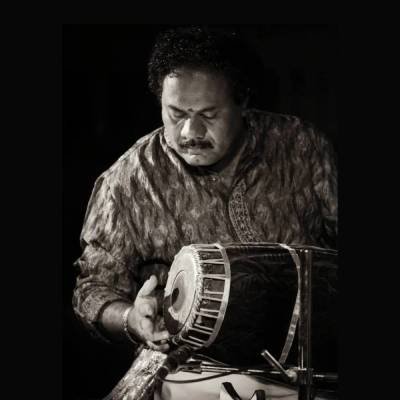
The tabla instrument holds a revered place in Indian classical music, celebrated for its rich tonal range and expressive versatility. From traditional Hindustani recitals to contemporary fusion and world music collaborations, the tabla’s distinctive voice resonates across genres and borders.
For aspiring players, selecting the right tabla is a crucial first step. The variety of styles, materials, and sizes available can feel overwhelming without proper guidance. Whether you’re enrolling in online tabla classes or learning through a local teacher, understanding the different types of tabla instruments helps you make an informed choice that supports your musical journey.
What is a Tabla Instrument?
The tabla is a pair of drums originating from the Indian subcontinent, consisting of two distinct components played together. The smaller, wooden drum called the dayan produces higher-pitched melodic tones, while the larger metal drum known as the bayan delivers deep bass sounds.
Among musical instruments, tabla stands out for its extraordinary expressiveness. Skilled players can produce an astonishing range of sounds, from sharp percussive strikes to smooth, singing notes. This versatility makes the tabla percussion instrument essential in Hindustani classical music, ghazals, qawwalis, folk traditions, and contemporary fusion compositions.
Anatomy of a Tabla Percussion Instrument
Understanding the components of a tabla helps you evaluate quality and make better purchasing decisions.
The dayan features a wooden shell, traditionally crafted from sheesham (Indian rosewood), neem, or mahogany. Its single drumhead, called the pudi, consists of layered goatskin with a central black paste known as syahi. This syahi is responsible for the tabla’s characteristic ringing tone.
The bayan has a metal shell, commonly made from copper, brass, steel, or nickel. Its larger drumhead also features syahi, enabling bass modulation through heel pressure during play.
Both drums use gajra, braided leather straps running vertically, which control tension and allow tuning. Wooden blocks called bira or gatta are wedged between the straps and shell to fine-tune the pitch.
Types of Tabla Instruments by Region and Style
Different regions of India developed distinct tabla-making traditions, each producing instruments with unique tonal characteristics.
Delhi Gharana Tabla
Delhi-style tablas feature a moderately wide dayan with balanced, resonant sound. They offer versatility suitable for various playing techniques and musical contexts. Most beginners start with this style due to its adaptability, and many professional players favour it for its well-rounded tone.
Punjab Gharana Tabla
Punjab-style tablas typically have a heavier bayan with pronounced bass depth. This design suits bold, powerful playing styles common in Punjabi folk music and energetic compositions. Players seeking strong rhythmic impact often gravitate toward this type.
Bombay (Mumbai) Style Tabla
Mumbai-style tablas tend toward compact construction with bright, sharp tones. Their clear projection makes them popular in recording studios and film music production where precise sound capture matters.
Benaras Gharana Tabla
Benaras-style instruments feature medium-sized dayans known for rich overtones and melodic warmth. Classical purists often prefer these tablas for intricate compositions requiring tonal subtlety.
Students taking online tabla lessons typically begin with Delhi-style instruments before exploring gharana-specific options as their skills develop.
Types of Tabla by Material
Material choices significantly influence sound quality, durability, and price.
Dayan Wood Types
Sheesham (Indian Rosewood) remains the most popular choice, offering warm tone and excellent durability. Neem provides a budget-friendly alternative with decent resonance, suitable for beginners. Mahogany represents a premium option delivering rich, deep sound favoured by professionals.
Bayan Metal Types
Copper bayans produce warm, resonant bass with exceptional depth, making them the professional standard. Brass offers bright tones at a moderate price point, suitable for intermediate players. Steel and nickel bayans provide affordable entry-level options, though with less tonal complexity.
When selecting a tabla instrument, consider how material quality affects both immediate sound and long-term value.
Choosing the Right Tabla Instrument for Your Level
For Beginners
Start with a standard Delhi-style tabla set featuring a sheesham or neem dayan paired with a brass or nickel bayan. This combination offers quality sound at reasonable cost. Avoid extremely cheap sets, as poor skin quality leads to tuning difficulties and discouraging practice experiences.
For Intermediate Players
Consider upgrading to a copper bayan for richer bass response. Look for well-seasoned wood in the dayan, which improves resonance and stability. Investing in quality pudis (replacement drumheads) also enhances your sound significantly.
For Advanced Players and Performers
Serious musicians often commission custom or handcrafted tabla sets from reputed makers. Copper or bronze bayans deliver professional-grade sound, while gharana-specific designs match particular playing traditions. Instructors in online tabla classes can recommend trusted craftsmen based on your training style.
Size Considerations for Different Players
Standard tabla sizes suit most adult learners comfortably. The dayan diameter typically ranges from 5 to 6 inches, while the bayan measures 7 to 10 inches across.
Children aged 5 to 12 benefit from smaller, lighter sets designed for developing hands. Proper sizing ensures comfortable technique development and prevents strain during practice. When purchasing for a young learner, consult with a teacher to determine appropriate dimensions.
Where to Buy Quality Tabla Instruments
Purchase your tabla percussion instrument from reputed music stores specialising in Indian instruments. Trusted online retailers with clear return policies offer convenient alternatives, particularly for buyers without local specialty shops.
Seek recommendations from teachers, fellow students, or online communities before buying. Examine skin quality, tuning stability, and overall construction when possible. Avoid extremely cheap sets that sacrifice sound and durability for low prices, as they often frustrate learners and require early replacement.
Conclusion
Understanding the types of tabla instruments available empowers you to select an instrument matching your goals, budget, and musical aspirations. From regional styles to material choices, each factor influences your playing experience and growth.
Take time to research, seek advice from experienced players, and invest in quality appropriate to your level. The right tabla becomes a trusted companion throughout your musical journey.
Frequently Asked Questions
Which type of tabla is best for beginners?
Delhi-style tablas are generally best for beginners due to their balanced, versatile sound. A set featuring a sheesham wood dayan paired with a brass or nickel bayan offers good quality at an affordable price. Avoid very cheap sets, as poor construction leads to tuning problems and discouraging practice experiences.
What is the difference between copper and brass bayan?
Copper bayans produce warm, deep bass tones with rich resonance, making them the preferred choice for professional players. Brass bayans offer brighter tones at a lower price point, suitable for beginners and intermediate students. The material difference significantly affects both sound quality and cost.
How do I choose the right tabla size?
Standard tabla sizes suit most adult learners, with dayan diameters ranging from 5 to 6 inches and bayan diameters from 7 to 10 inches. Children benefit from smaller sets designed for developing hands. Consider your hand size and comfort when selecting, and consult a teacher for personalised recommendations.
Can I learn tabla effectively through online classes?
Yes, online tabla classes are highly effective for learning technique, theory, and repertoire. Video lessons allow you to observe hand positions closely, pause for practice, and replay demonstrations as needed. Many students find that structured online tabla lessons provide clear guidance comparable to in-person instruction.
How much should I spend on my first tabla instrument?
Beginners should budget for a mid-range set from a reputable seller rather than the cheapest available option. Quality entry-level tablas typically provide better sound, easier tuning, and greater durability. Investing reasonably at the start prevents frustration and avoids early replacement costs.