Walk into any music store or search for drum lessons online, and you will be immediately confronted with a question most beginners are not prepared to answer: which type of drum is right for you? There are acoustic drum kits, electronic drum pads, hand drums, Indian classical percussion, frame drums, orchestral timpani, and dozens of instruments in between and each one opens a completely different musical world.
This guide covers all the major types of drums across Western and Indian classical traditions, explains who each one is best suited for, and gives you a clear framework for making the right choice for whether you are a complete beginner, a parent choosing for a child, or an adult exploring percussion for the first time. You can also explore BMusician’s dedicated online drum lessons to begin structured learning once you have found your instrument.
Why the Type of Drum You Choose Matters More Than You Think
Many beginners assume all drums are essentially the same that learning on one instrument transfers immediately to another. This is partially true for rhythm and timing, but the technique, body mechanics, music theory application, and cultural context of different types of drums vary significantly. Here is why your first choice shapes your entire learning path:
- Technique is instrument-specific: the grip used for drum kit snare playing is different from the hand technique used for tabla or the mallet technique used for orchestral timpani. Starting with the right instrument means developing the right physical foundations from day one.
- Genre and context determine the instrument: if your goal is to play in a rock band, a standard drum kit is the only practical choice. If you want to accompany Carnatic classical music, you need tabla or mridangam. Choosing the instrument that matches your musical goals prevents a frustrating detour.
- Space and volume are real constraints: acoustic drum sets require dedicated space and produce significant noise. Hand drums and electronic kits are far more manageable for apartment living or shared households.
- Budget varies enormously: a basic acoustic drum kit starts at a few hundred dollars, while quality Indian classical percussion like tabla or mridangam can range from affordable to highly specialized. Electronic drum sets span a wide price range depending on features.
- Learning resources align with instrument choice: structured curricula, qualified teachers, and graded method books all exist in instrument-specific formats. Choosing your instrument first means you can immediately find the right learning pathway.
All Types of Drums: A Complete Beginner’s Guide by Category
The types of drum instruments available to a beginner span several distinct musical traditions. Understanding which group an instrument belongs to help you immediately narrow down your choices based on the music you want to play and the tradition you want to learn in. The sections below are organized by tradition and instrument family.
Western and Contemporary Drum Types
These are the types of drum sets and instruments most commonly associated with Western popular, jazz, rock, and orchestral music. They are the most widely taught drum instruments in the United States and form the backbone of Western percussion education.
The Acoustic Drum Kit — The Standard Starting Point
The acoustic drum kit is the most recognized of all types of drum sets and the instrument most beginners picture when they think of learning drums. A standard beginner kit includes a bass drum, snare drum, hi-hat cymbals, ride cymbal, crash cymbal, and two or three tom-toms — all played simultaneously using both hands and both feet.
Who it is best for:
- Beginners whose primary goal is to play rock, pop, jazz, or blues with other musicians.
- Students who have dedicated practice space, a room, garage, or basement where volume is not a concern.
- Learners who want the most direct path to performing in a band context.
- Students with access to a music school or practice studio if home space is limited.
Key considerations before choosing:
- Volume: an acoustic drum kit is significantly louder than any other instrument in a home setting. Mesh head upgrades and practice pads can reduce volume but do not eliminate it.
- Space: a standard 5-piece kit occupies roughly 6 feet by 5 feet of floor space and cannot easily be stored away after practice.
The Electronic Drum Kit — The Apartment-Friendly Alternative
Electronic drum kits are one of the most practical types of drum sets for beginners who live in apartments, shared homes, or any environment where acoustic volume is a genuine problem. They use rubber or mesh pads that trigger digital sound samples through a module, producing minimal physical impact noise and allowing the player to control volume through headphones or an amplifier.
Who it is best for:
- Beginners living in apartments, condos, or shared housing where acoustic drums are not feasible.
- Students who want to practice at any time of day without disturbing neighbors or family members.
- Learners who want access to multiple drum kit sounds and recording capabilities from a single instrument.
- Beginners on a moderate budget who want a complete playing experience in a compact footprint.
Key considerations before choosing:
- Feel: electronic pads feel different from acoustic drumheads, mesh pads are closer in feel to acoustic heads, while rubber pads feel noticeably different. If possible, try both before purchasing.
- Sound module quality: the drum module (the brain of the kit) determines sound quality and available features. A better module means more realistic sounds and more versatile practice options.
The Cajon — The Most Accessible Beginner Drum
The cajon is a box-shaped percussion instrument originally from Peru that has become one of the most popular beginner-friendly types of drums in acoustic performance settings. The player sits on the instrument and strikes the front face with the hands to produce bass and snare-like tones. Its compact size, affordability, and lack of setup make it an excellent entry point for rhythm learning.
Who it is best for:
- Absolute beginners who want to develop hand and rhythm technique before committing to a full drum kit.
- Singer-songwriters and acoustic musicians who need a portable percussion instrument for live performance.
- Students with very limited space or budget who still want a genuine acoustic percussion experience.
- Beginners interested in world music, flamenco, or folk performance contexts.
Orchestral Percussion — Timpani, Snare, and Mallet Instruments
Orchestral percussion encompasses a range of specialized instruments including timpani (pitched kettle drums), orchestral snare drum, bass drum, and mallet instruments like xylophone and marimba. These are distinct types of drum instruments that are part of the classical Western tradition and are typically introduced through school band and orchestra programs.
Who it is best for:
- Students enrolled in school band or orchestra programs seeking structured classical percussion education.
- Beginners with a strong interest in classical or film score music performance.
- Learners who read music notation and want to develop percussive skills within a Western classical framework.
- Students who may eventually pursue music education or professional orchestral performance.
Indian Classical Percussion — Tabla, Mridangam, and Beyond
Indian classical percussion instruments represent some of the most technically sophisticated and musically rich types of drum instruments in the world. They are central to Carnatic and Hindustani classical traditions and require dedicated, teacher-guided study from the very beginning. If you are drawn to Indian classical music or want to accompany Carnatic or Hindustani vocal and instrumental performances, these instruments are your starting point.
Tabla — The Voice of Hindustani Percussion
The tabla is the defining percussion instrument of Hindustani classical music. It is a pair of hand drums — a smaller treble drum called the dayan played with the dominant hand, and a larger bass drum called the bayan played with the non-dominant hand. Together they produce a remarkable range of tones and timbres through precise finger and palm techniques. The tabla is one of the most studied of all types of drums in Indian classical music education worldwide.
Who it is best for:
- Students interested in Hindustani classical music, the North Indian classical tradition.
- Learners who want to accompany sitar, sarod, vocal khayal, or thumri performances.
- Beginners are drawn to the rhythmic complexity of Indian tala (rhythmic cycle) systems.
- Students with patience for a methodical, teacher-guided learning process — tabla technique takes time and cannot be self-taught effectively at the beginning stage.
Key learning characteristics:
- Oral tradition: tabla is taught through bols rhythmic syllables like dha, ge, na, tin. Students memorize and recite before playing them on the instrument.
- Teacher dependency: unlike guitar or piano where method books can supplement self-study, tabla requires a qualified guru or teacher from the very first lesson for correct hand position and stroke development.
- Long technique foundation phase: the first several months of study focus entirely on developing the correct hand position, individual strokes, and tone quality before rhythmic compositions are introduced.
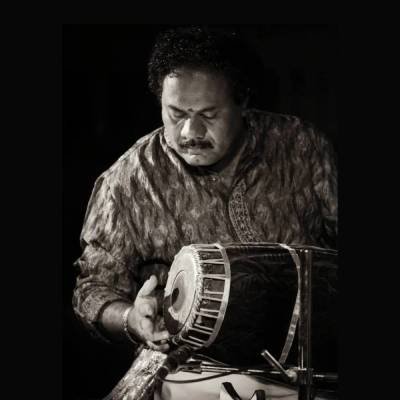
Mridangam — The Foundation of Carnatic Percussion
The mridangam is the primary percussion instrument of Carnatic classical music the South Indian classical tradition. It is a double-headed barrel drum played horizontally across the lap, with each head producing distinct tonal characteristics. The right head produces treble tones and the left head produces bass, and together they create the rich rhythmic foundation of Carnatic concert music.
Who it is best for:
- Students interested in Carnatic classical music and South Indian performing arts.
- Learners who want to accompany veena, violin, or Carnatic vocal performances.
- Students are drawn to the intricate konnakkol (spoken rhythmic syllable) tradition that parallels tabla bols in Hindustani music.
- Beginners prepared for a structured, long-term learning commitment under an experienced Carnatic percussion teacher.
Key learning characteristics:
- Konnakkol foundation: Carnatic percussion education begins with spoken rhythmic recitation (konnakkol) before physical drum playing. This develops the student’s internalization of tala cycles and rhythmic patterns before they are transferred to the drum.
- Tuning knowledge: the mridangam requires specific tuning for each performance context, and students gradually learn tuning as part of their broader instrument knowledge.
Ghatam — The Clay Pot Percussion
The ghatam is an ancient clay pot percussion instrument from South India and one of the most distinctive types of drum instruments in the Carnatic tradition. Played with the fingers, palms, and wrists against the exterior of a fired clay pot, it produces a sharp, resonant tone that complements the mridangam in Carnatic ensemble playing. The ghatam is one of the instruments offered within BMusician’s dedicated online drum lessons curriculum.
Who it is best for:
- Students already studying Carnatic music who want to explore secondary percussion instruments.
- Learners interested in the unique timbre and technique of clay-body percussion instruments.
- Intermediate Carnatic students looking to expand their ensemble performance repertoire.
Kanjira — The South Indian Frame Drum
The kanjira is a small single-headed frame drum from South India, one of the most technically demanding types of drum names in the Carnatic tradition despite its compact size. It is played with one hand while the other controls the tension of the drum head to vary pitch, enabling a remarkable range of tonal expression from an instrument that fits in one hand. Like the ghatam, it is a specialist Carnatic percussion instrument studied after a foundation in mridangam.
Who it is best for:
- Advanced Carnatic percussion students seeking to master a second traditional instrument.
- Students performing in Carnatic tani avartanam (percussion solo) contexts where multiple instruments are played.
- Learners interested in the intersection of melody and rhythm within a single percussion instrument.
Hand Drums and World Percussion
Hand drums and world percussion instruments represent a globally diverse category of different types of drums that span African, Latin American, Middle Eastern, and cross-cultural folk traditions. They are among the most accessible instruments for absolute beginners because many can be played without prior formal training, making them excellent introductory percussion tools.
Djembe — The West African Hand Drum
The djembe is a goblet-shaped hand drum from West Africa and one of the most widely played types of drums in community music, world music education, and informal percussion settings. It produces three primary tones: bass, open tone, and slap using different hand positions on the drum head, and its rich, projecting sound makes it immediately satisfying to play from the very first session.
Who it is best for:
- Complete beginners who want to develop hand technique and a feel for rhythm in a low-pressure, accessible format.
- Students interested in world music, African drumming traditions, or community percussion groups.
- Learners in apartments or shared spaces who want acoustic percussion without the volume of a full drum kit.
- Children and adult beginners who respond well to intuitive, physical music-making before formal notation-based study.
Bongo and Conga Drums — Latin Percussion
Bongos and congas are two of the most recognizable types of drum names in Latin percussion. Bongos are small paired drums held between the knees and played with the fingers and palms. Congas are larger, taller drums played while standing or seated and produce a deeper, more resonant tone. Both are central to Cuban, salsa, Afro-Cuban, and Latin jazz music traditions.
Who it is best for:
- Students interested in Latin music, salsa, Cuban jazz, or Afro-Cuban percussion traditions.
- Beginners who want to develop finger dexterity and hand independence in a highly musical context.
- Learners looking for percussion instruments that are affordable, portable, and do not require large amounts of space.
Frame Drums — Tambourine, Riq, and Bodhran
Frame drums are one of the oldest types of drum instruments in human history, simple circular frames with a single membrane stretched across them. The tambourine, the riq (Middle Eastern frame drum), and the bodhran (Irish traditional music frame drum) are among the most widely known. They are extremely portable, require no setup, and can be learned at a basic level within a single session.
Who it is best for:
- Beginners who want the simplest possible entry into percussion playing.
- Students of Middle Eastern, Celtic, or Mediterranean folk music traditions.
- Vocal performers and singer-songwriters who want to add rhythmic self-accompaniment.
- Younger learners or children being introduced to rhythm concepts for the first time.
How to Choose the Right Type of Drum for You: A Step-by-Step Framework
Once you understand the landscape of all types of drums available, narrowing down your choice becomes a structured decision rather than a guessing game. Use this step-by-step framework to arrive at the right instrument for your specific situation.
Step 1 — Identify Your Musical Goal
The most important single factor in choosing a drum instrument is clarity about the music you want to make:
- If you want to perform in bands or record contemporary music — start with an acoustic or electronic drum kit.
- If you want to study Indian classical music seriously — choose tabla (Hindustani) or mridangam (Carnatic) from the start.
- If you want rhythmic skill and portability without genre commitment — start with djembe or cajon.
- If you are unsure about your musical direction — start with an accessible hand drum to develop rhythm fundamentals before committing to a specific instrument.
Step 2 — Assess Your Space and Volume Tolerance
Space and volume are practical constraints that directly determine which instruments are viable:
- Acoustic drum kit: needs a dedicated room, garage, or basement. Not suitable for apartments without significant soundproofing.
- Electronic drum kit: suitable for most home environments. A practice mat reduces impact noise through the floor.
- Hand drums and cajon: suitable for most spaces. Louder than electronic drums but significantly quieter than an acoustic kit.
- Indian classical percussion: moderate volume. Suitable for home practice. Teachers may have specific requirements for practice space setup.
Step 3 — Find Structured Lessons Before Buying
Before making a final instrument purchase especially for Indian classical percussion where instrument quality and teacher guidance are closely linked, it is worth consulting with a qualified teacher first. BMusician’s online drum lessons cover acoustic drums, electronic drums, tabla, mridangam, ghatam, and kanjira under structured curricula with experienced teachers. A consultation with a teacher will often clarify the right instrument choice faster than any amount of independent research.
Common Beginner Mistakes When Choosing a Drum Instrument
These mistakes appear consistently among first-time percussion students. Knowing them in advance saves both money and time:
- Buying the wrong instrument for your genre: a student whose goal is to play in a rock band who starts on tabla will develop valuable rhythmic skills, but will need to transition instruments later. Instrument choice should match musical destinations as closely as possible.
- Buying an acoustic kit in an unsuitable space: acoustic drum kits are one of the loudest instruments that exist. Buying one for a small apartment without soundproofing is one of the most common and most expensive early mistakes in drum education.
- Choosing the cheapest option available: very inexpensive drums often have poor-quality heads, hardware that degrades quickly, and tuning that is impossible to maintain. A mid-range instrument from a reputable brand will serve a beginner far better than the cheapest option available.
- Trying to self-teach Indian classical percussion: tabla and mridangam require correct hand position and stroke development from the very first session. Incorrect technique learned through self-teaching creates habits that are very difficult to unlearn. These instruments require a qualified teacher from day one.
- Skipping accessories: beginners often budget for the instrument but forget the essentials — drum sticks or brushes, a practice pad, a drum throne (stool), a metronome or drum tuner, and for Indian classical percussion, specific lubricants and tuning hammers. These add cost but are genuinely necessary for productive practice.
Conclusion
There is no universally best choice among the types of drums available to a beginner. There is only the instrument that best matches your musical goals, your available space, your budget, and your learning style. The good news is that the decision is not permanent; many professional percussionists eventually play multiple types of drum instruments across different traditions. Your first instrument is simply the door that opens the room.
Frequently Asked Questions
Q1. What are the main types of drums a beginner should know about?
The main categories are Western kit drums (acoustic and electronic drum sets), Indian classical percussion (tabla, mridangam, ghatam, kanjira), orchestral percussion (timpani, snare, mallet instruments), and world hand drums (djembe, cajon, bongos, congas, frame drums). Each category serves different musical traditions and requires different techniques. The most important first step is identifying which musical tradition you want to learn before choosing a specific instrument.
Q2. What is the easiest type of drum to learn as a complete beginner?
The cajon and djembe are the most accessible entry-level drum instruments for complete beginners. Both can produce satisfying sounds within the first session without requiring prior music knowledge or significant physical technique. They are also affordable, compact, and low-volume. However, “easiest to start” does not mean “most rewarding long-term” — the right instrument for you depends on your musical goals, not just initial ease of play.
Q3. What is the difference between an acoustic drum kit and an electronic drum kit?
An acoustic drum kit uses physical drumheads and cymbals to produce sound naturally through vibration producing high volume and authentic feel but requiring significant space and noise tolerance. An electronic drum kit uses rubber or mesh pads that trigger digital sounds through a module producing minimal noise, allowing headphone use, and fitting in a much smaller footprint. Both produce essentially the same learning outcomes for technique, but electronic kits are far more practical for home environments.
Q4. Can I learn tabla or mridangam online?
Yes — and online learning is now the primary way many students worldwide access qualified Indian classical percussion teachers. BMusician offers structured online drum lessons for both tabla and mridangam taught by teachers trained in their respective traditions. The key requirement for effective online learning of these instruments is access to a quality instrument, good audio-visual connection for the lesson, and consistent practice between sessions.
Q5. What types of drums are used in Indian classical music?
The primary percussion instruments of Indian classical music are the tabla (the paired hand drums central to Hindustani classical music), the mridangam (the double-headed barrel drum central to Carnatic classical music), the ghatam (a clay pot percussion instrument used in Carnatic ensembles), and the kanjira (a small frame drum also from the Carnatic tradition). The khanjira, pakawaj, and dholak are additional Indian percussion instruments used in folk, devotional, and classical contexts. BMusician’s online drum lessons include structured curricula for tabla, mridangam, ghatam, and kanjira.